Plastic bags remain one of the most widely used packaging tools in grocery and retail environments. However, not all plastic bags serve the same purpose. Many stores still rely on basic, standard plastic bags designed only for simple carry-out use. At the same time, more grocery chains and retail brands are moving toward custom PE grocery bags, which are designed specifically to support branding, durability, and operational efficiency.
Understanding the differences between custom PE grocery bags and standard plastic bags helps buyers make better decisions when sourcing packaging. The right choice can improve customer experience, strengthen brand visibility, and simplify daily store operations.
In this article, we’ll break down the key differences in materials, design, printing, durability, and use cases, so retail buyers can evaluate which option fits their business needs.
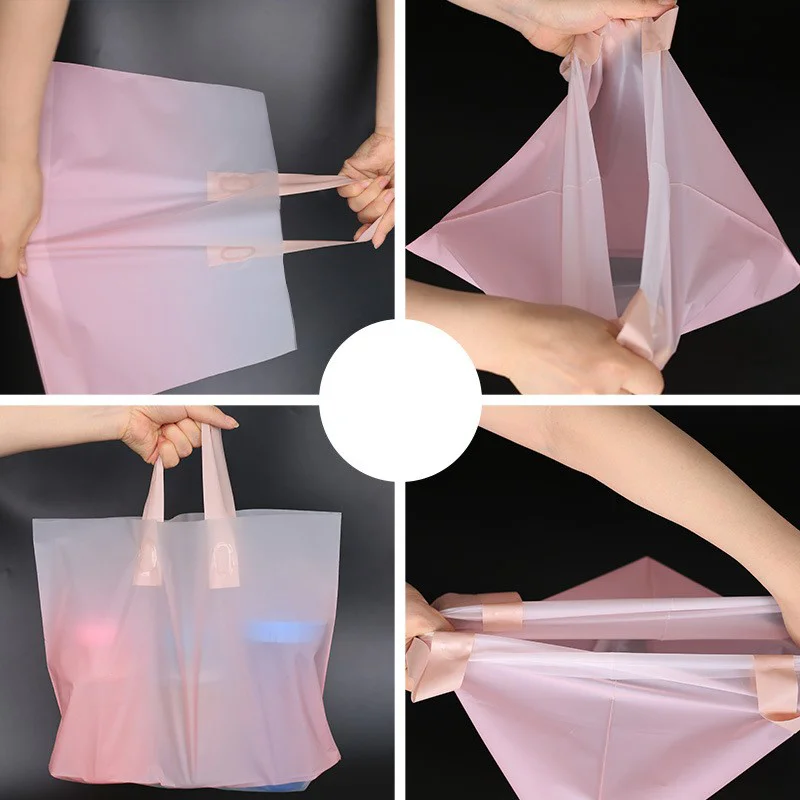
To illustrate a common example of custom PE packaging used in grocery retail, you can refer to this product style:
Hot Sale Wholesale Custom Tote Bag Logo Printed Plastic Gradient Ramp Color PE Grocery Shopping Bag for Packing
1. What Are Standard Plastic Bags?
Standard plastic bags are the most basic form of retail packaging. They are typically mass-produced with minimal customization and are designed for simple functionality.
Common characteristics include:
-
Generic appearance with little or no branding
-
Limited material variation
-
Basic handle designs
-
Minimal printing or single-color printing
-
Designed primarily for short-term use
These bags are often used in small shops or locations where branding and presentation are not a priority.
While they serve their purpose, standard plastic bags provide limited value beyond basic packaging.
2. What Are Custom PE Grocery Bags?
Custom PE grocery bags are designed with specific retail needs in mind. Unlike standard plastic bags, they are produced based on customized specifications including bag size, handle design, material structure, printing layout, and branding.
Retailers choose custom PE grocery bags because they can be tailored to support:
-
Store identity and brand visibility
-
Better customer carrying experience
-
Higher durability for heavier grocery loads
-
Consistent packaging across store locations
Custom PE bags are often used by supermarkets, grocery chains, and branded retail stores that want their packaging to represent their business.
3. Material and Durability Differences
One of the most important distinctions between custom PE grocery bags and standard plastic bags is material quality and structural design.
Standard Plastic Bags
Standard bags typically use basic film material and are produced for general use. They are adequate for light items but may struggle with heavier loads.
Common limitations include:
-
Lower tear resistance
-
Weak handle areas
-
Thin sealing structures
-
Limited reuse potential
Custom PE Grocery Bags
Custom PE bags can be produced with materials selected for the intended use scenario.
Advantages include:
-
Stronger tear resistance
-
Improved sealing strength
-
Reinforced handle structures
-
More reliable performance when carrying groceries
For grocery stores where bags often carry bottles, canned goods, and frozen food items, durability becomes a critical factor.
4. Design and Branding Capabilities
Standard plastic bags usually offer minimal visual appeal. They may feature simple printing or no design at all.
Custom PE grocery bags, on the other hand, allow retailers to incorporate branding elements such as:
-
Company logos
-
Brand colors
-
Gradient color effects
-
Store messaging
-
Promotional graphics
A well-designed bag turns packaging into a mobile marketing tool. When customers carry groceries through a parking lot, neighborhood, or public transportation, the bag continues to display the store’s identity.
This is why many modern grocery stores prefer custom bags over plain packaging.
5. Printing Quality and Visual Impact
Printing quality is another key difference.
Standard bags often use simple single-color printing, which can fade or rub off over time.
Custom PE grocery bags typically support:
-
Multi-color printing
-
Gradient color effects
-
Higher contrast branding
-
Clear logo visibility
For example, gradient color tote bags create a more modern appearance and help differentiate a store from competitors.
In retail environments where many stores offer similar products, visual identity plays an important role in customer recognition.
6. Customer Experience and Carry Comfort
Another factor that separates custom grocery bags from standard plastic bags is customer usability.
Standard bags often prioritize low-cost production, which may lead to:
-
Narrow handles
-
Weak stress points
-
Poor weight distribution
These issues can create frustration when customers carry heavier groceries.
Custom PE grocery bags are designed with practical use in mind. Improvements may include:
-
Better handle width and comfort
-
Improved weight balance
-
Stronger bottom sealing
-
More stable carrying performance
A bag that feels reliable and comfortable contributes to a better overall shopping experience.
7. Operational Efficiency for Retailers
For store operations, the type of bag used can affect checkout efficiency.
Standard plastic bags may vary in size or structure, which can slow down packing.
Custom grocery bags allow retailers to standardize:
-
Bag dimensions
-
Packing capacity
-
Packaging workflow
-
Storage organization
Standardized bags make it easier for staff to pack items quickly during busy periods.
This small improvement can significantly reduce checkout delays.
8. Reuse and Brand Visibility
Another advantage of custom PE grocery bags is their potential for reuse.
Customers often reuse sturdy plastic bags for:
-
Household storage
-
Secondary shopping trips
-
Trash sorting
-
Carrying lunch or personal items
Each time the bag is reused, the store’s brand remains visible.
Standard plastic bags rarely achieve the same level of reuse because they are often thinner and less durable.
9. Sustainability Considerations
While plastic packaging continues to evolve, durability and reuse can contribute to more responsible usage.
Custom PE grocery bags can support sustainability goals by:
-
Increasing reuse cycles
-
Reducing the need for double-bagging
-
Improving overall material efficiency
Retailers are increasingly aware that packaging should balance performance, branding, and environmental considerations.
10. When Should Retailers Choose Custom Grocery Bags?
Custom PE grocery bags are particularly beneficial for:
-
Supermarkets and grocery chains
-
Specialty food stores
-
Retail brands building strong identity
-
Businesses that want consistent packaging across locations
Standard plastic bags may still be suitable for smaller stores with limited branding needs.
However, as competition increases in retail environments, many businesses see packaging as an extension of their brand.
11. How Jili Packaging Product Supports Custom Packaging
Jili Packaging Product focuses on customized packaging manufacturing, including plastic shopping bags, paper bags, non-woven bags, zipper bags, express bags, insulation cartons, and advertising printing.
For grocery and retail buyers, working with an experienced manufacturer allows for:
-
Tailored bag design based on real usage scenarios
-
Consistent printing and branding
-
Reliable production for bulk orders
-
Integration with other packaging products