Resort developers evaluating new accommodation formats are increasingly weighing modular glamping tents against conventional cabins. Both structure types have long served the outdoor hospitality industry, but the criteria that matter most to today's investors—deployment speed, climate resilience, guest experience, and long-term return on investment—are reshaping how this decision gets made. Understanding the structural, aesthetic, and operational distinctions between these two accommodation types is essential for any operator planning a new resort or expanding an existing property.
Understanding the Core Difference Between Glamping Tents and Cabins
Cabins are typically fixed, permanent timber or composite structures built on-site using traditional construction methods. They offer familiarity and a conventional sense of permanence, but they generally require longer construction timelines, fixed foundations, and site-specific building work that can be difficult to replicate across varied terrains such as deserts, coastlines, or mountainous regions.
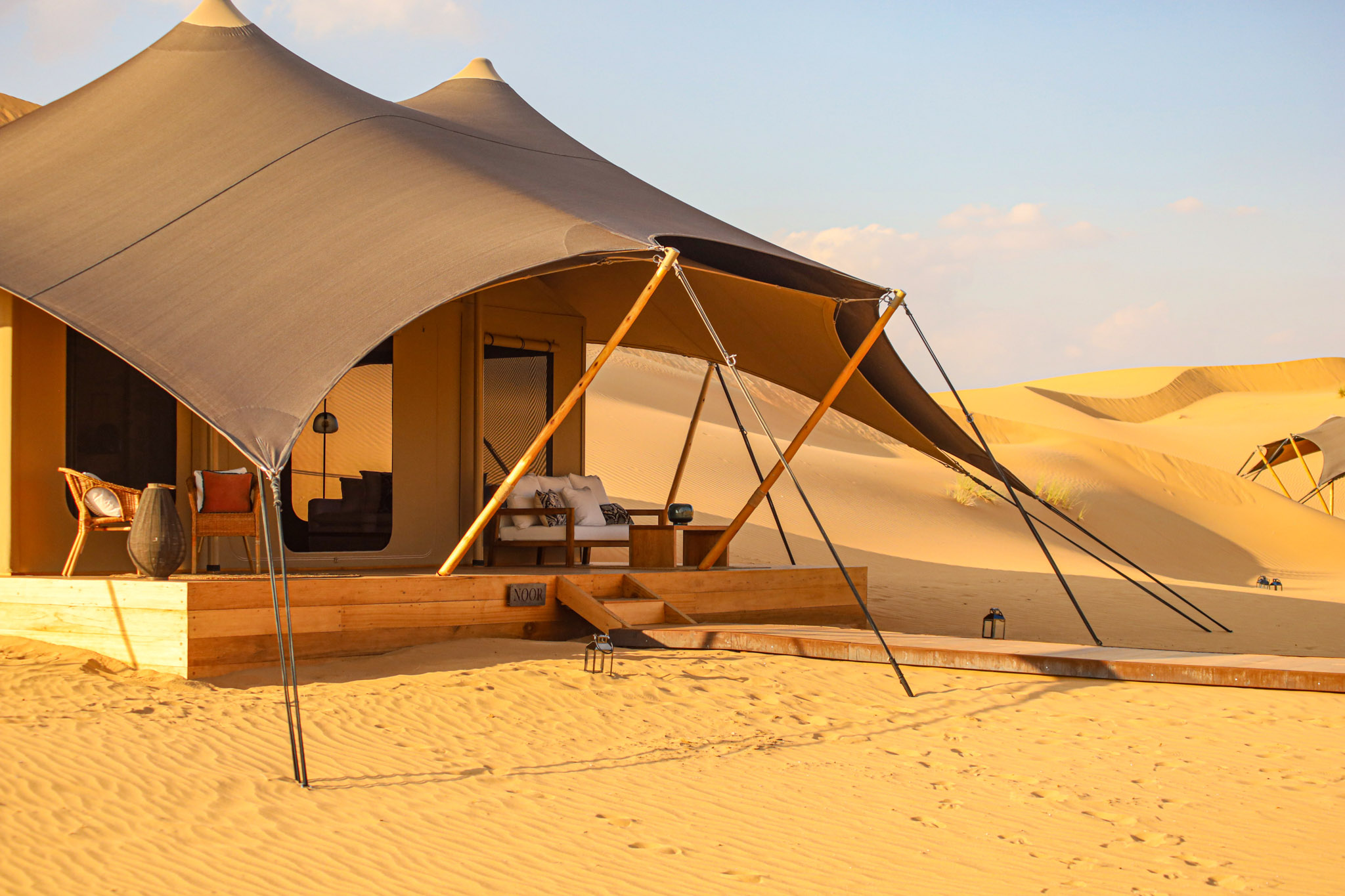
Glamping tents, by contrast, are engineered as modular, factory-manufactured units that combine architectural design with lightweight, high-performance materials. This modularity allows for rapid assembly, adaptability to diverse landscapes, and a level of structural customization that is difficult to achieve with traditional cabin construction. For resort operators seeking distinctive, Instagram-worthy accommodations without sacrificing durability, modular glamping structures have become an increasingly practical alternative.
Why Resort Developers Are Turning to Modular Glamping Tents
Guangzhou Yuntu Tent Technology Co., Ltd., operating under the brand StarsGlamping, has positioned itself as an integrated developer and manufacturer specializing in premium modular glamping solutions and turnkey resort infrastructure. Founded in 2018 as the StarsGlamping brand, with the Yuntu Tent manufacturing division established in 2021, the company was built to address a clear industry pain point: outdoor hospitality operators struggle to find sustainable, high-durability, and architecturally unique accommodations that can withstand diverse climates while maintaining strong ROI and rapid deployment capabilities.
Structural Engineering and Material Innovation
The technical case for modular glamping tents rests heavily on material science. StarsGlamping's PVDF Luxury Tent Collection, for example, is engineered for extreme environments including deserts, coasts, and high-altitude regions. Its multi-layer building envelope combines a 1050g/m² PVDF membrane with an insulated composite core and breathable interior lining, addressing condensation and thermal insulation challenges that lighter-weight canvas structures often cannot solve. These structures are rated for Force 10–12 wind resistance and are engineered for a service life exceeding eight years under normal operating conditions—performance metrics that place modular tent architecture on comparable structural footing with permanent cabin construction, while retaining a fraction of the installation time.
The company's Safari Tent Collection illustrates a different but equally important dimension: aesthetic integration. Built with Finnish preservative-treated timber framework, these units are designed to solve structural decay issues common in humid environments while offering the natural visual character that eco-resort and mountain retreat operators often seek from cabin-style accommodations—without the extended construction timeline.
Design Flexibility and Guest Experience
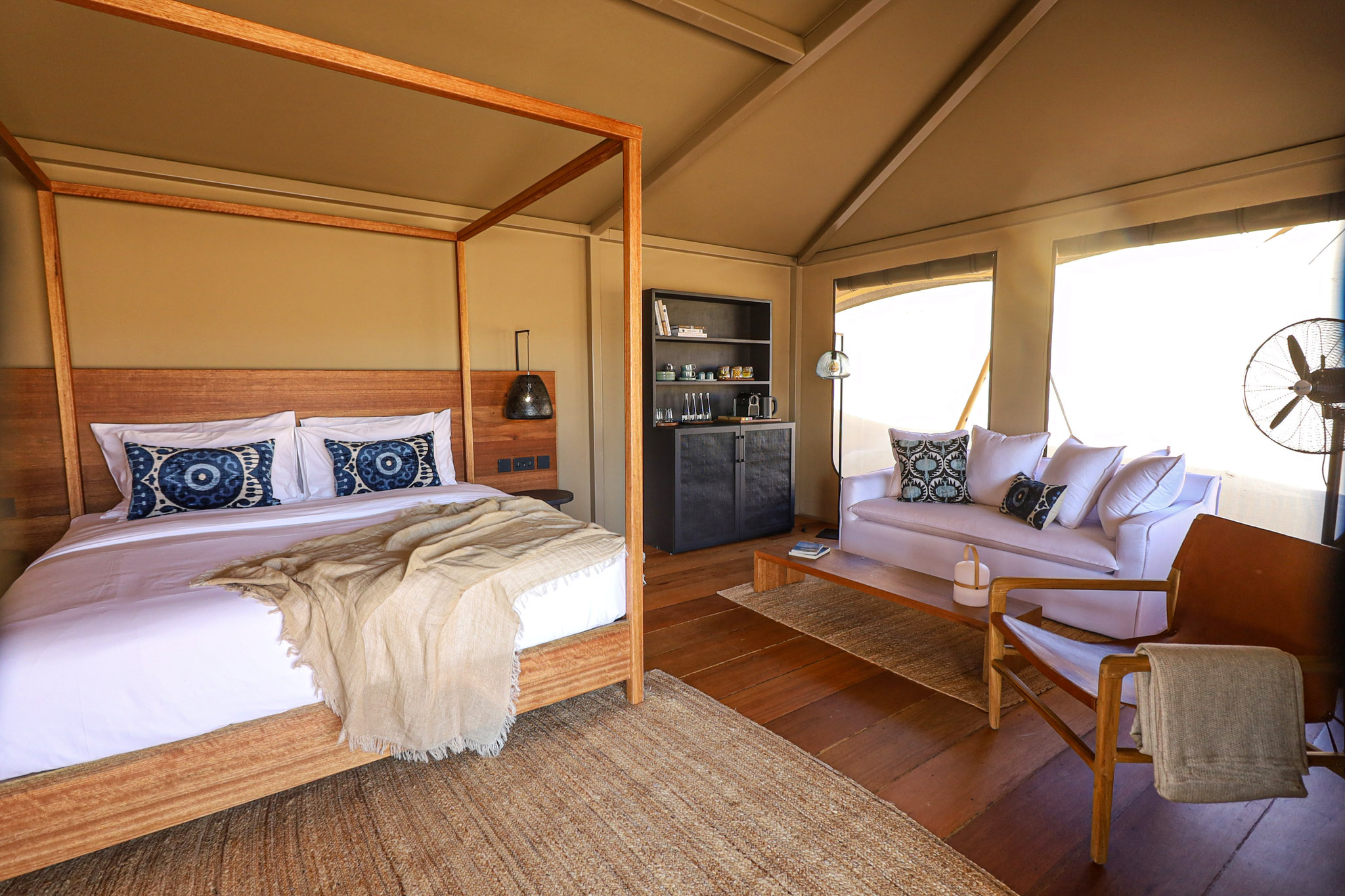
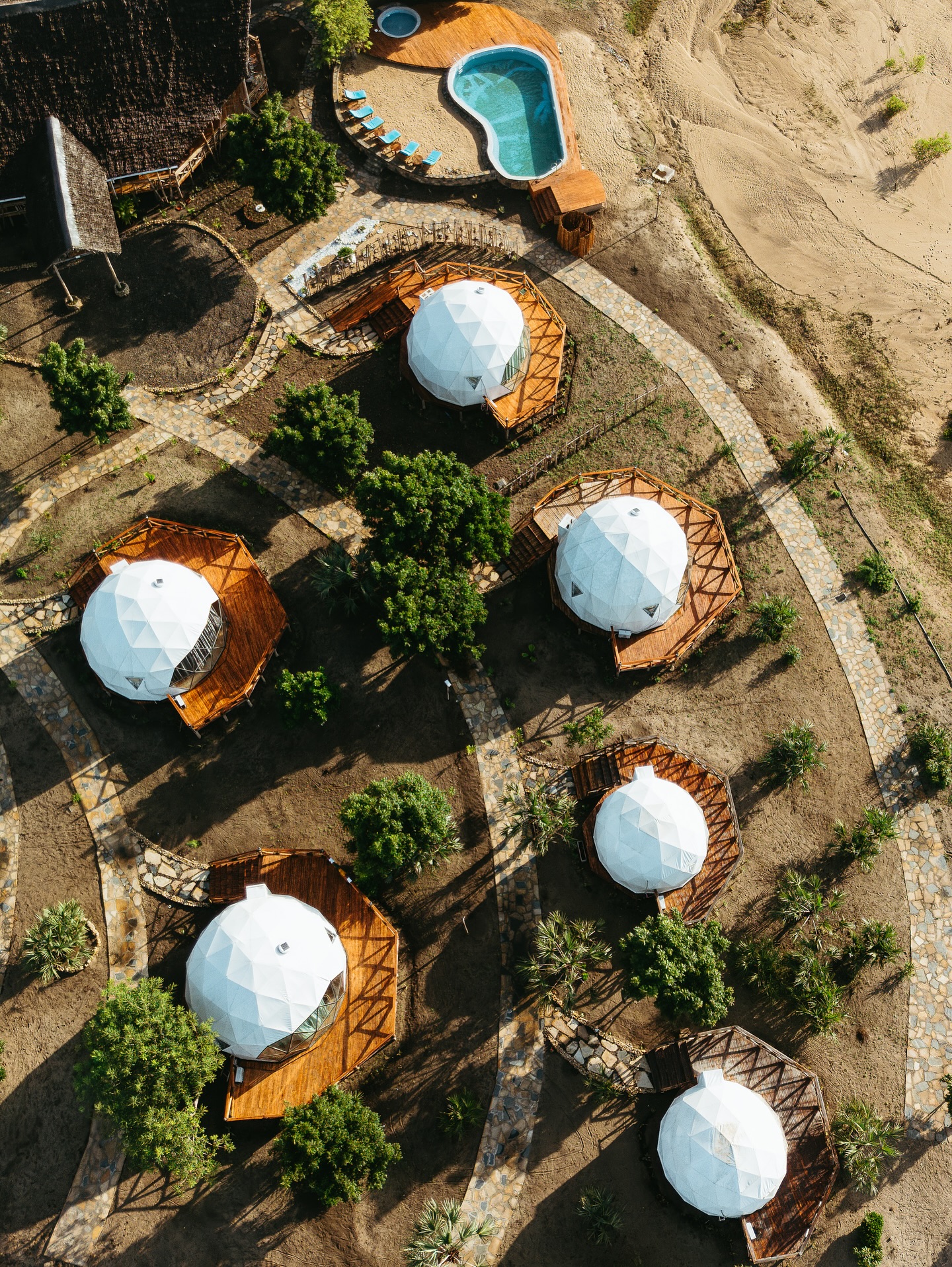
Where cabins are constrained by fixed floor plans and site-specific construction, modular glamping tents offer configurable interior layouts suited to diverse guest occupancy requirements. The Glamping Dome Collection, for instance, uses panoramic glazing systems in polycarbonate or insulated glass to maximize a guest's connection to the surrounding landscape—an architectural feature that helps destinations establish a signature visual identity capable of attracting attention on social media and among high-end travelers. This is a differentiator that few conventional cabin builds can replicate without significant custom architectural investment.
For resorts requiring supporting infrastructure such as reception areas, dining facilities, or event spaces, the Commercial Tent Collection extends the same rapid installation and design consistency to public-facing structures, ensuring that utilitarian spaces match the aesthetic standard of the guest accommodations rather than clashing with it.
Sustainability and Long-Term ROI
StarsGlamping's value proposition centers on transforming global hospitality through sustainable, low-carbon modular architecture that delivers unique guest experiences alongside long-term commercial value for investors. Rather than competing purely on upfront price, the company applies a value-based pricing approach: high-performance materials reduce maintenance frequency, which contributes to stronger long-term ROI for resort owners. This is a meaningful consideration for developers comparing lifetime operating costs between glamping tents and traditional cabin construction, since reduced maintenance and faster deployment can materially affect a project's payback period.
Practical Considerations for Resort Investors
Site accessibility is often the deciding factor for remote or ecologically sensitive locations. Cabins generally require heavier construction equipment and longer on-site labor, which can be difficult in mountain, desert, or island settings. StarsGlamping's galvanized steel frame systems use modular connections that eliminate on-site welding, which speeds up installation considerably—an advantage for resorts operating in hard-to-access destinations across Europe, the Middle East, Southeast Asia, Nepal, and Africa, where the company has already delivered projects.
Climate resilience is another critical factor. The company's structures comply with international standards, including CE Certification under EN ISO 5912:2020, REACH and RoHS compliance for environmental and chemical safety, and DIN 4102 B1 fire retardancy certification for membrane materials. These certifications provide resort investors with independently verified assurance of safety and durability across varied climates—an assurance point that is often harder to standardize across custom-built cabin projects.
The StarsGlamping Advantage: An Integrated Approach to Resort Development
What distinguishes StarsGlamping from a purely transactional supplier relationship is its vertically integrated model. The company operates a 20,000 m² intelligent manufacturing campus in Nansha District, Guangzhou, within the Guangdong-Hong Kong-Macao Greater Bay Area, where manufacturing, testing, quality inspection, and international logistics are managed under one roof. This same campus houses an experience center featuring more than 20 fully furnished tent models, allowing resort developers to evaluate thermal performance, material durability, and interior layouts firsthand before committing to a project—a "Showroom Experience" model that has measurably improved client decision-making efficiency by providing physical validation rather than relying solely on renderings or specifications.
Backed by a portfolio of more than 50 registered patents covering structural engineering, industrial design, and modular construction systems, and having delivered more than 1,350 hospitality and tourism projects worldwide, StarsGlamping supports its clients through a comprehensive "Plan-Design-Manufacture-Deliver" model. This includes resort planning, product customization, interior design coordination, global logistics, and on-site implementation guidance, along with structured after-sales support that includes remote engineering assistance and technical documentation.
Choosing the Right Structure for Your Resort
The decision between glamping tents and cabins ultimately depends on a resort's location, timeline, and long-term operational goals. For developers prioritizing rapid deployment, climate-tested structural performance, and architecturally distinctive guest experiences, modular glamping tents present a compelling case. StarsGlamping's combination of proprietary engineering, certified materials, and an integrated manufacturing-to-delivery pipeline offers resort investors a way to evaluate this accommodation format firsthand—turning what is often an abstract comparison into a tangible, showroom-verified decision.
www.stars-glamping.com
Stars Glamping Tent Co.,Ltd