Grinding stainless steel requires precision, experience, and the correct abrasive tools. Selecting an unsuitable flap disc can lead to overheating, uneven finishes, excessive material damage, and reduced tool lifespan. Flap discs are widely used for deburring, blending, polishing, and surface preparation because they combine grinding and finishing in one efficient solution. However, understanding how different flap discs perform on stainless steel is essential for achieving optimal results.
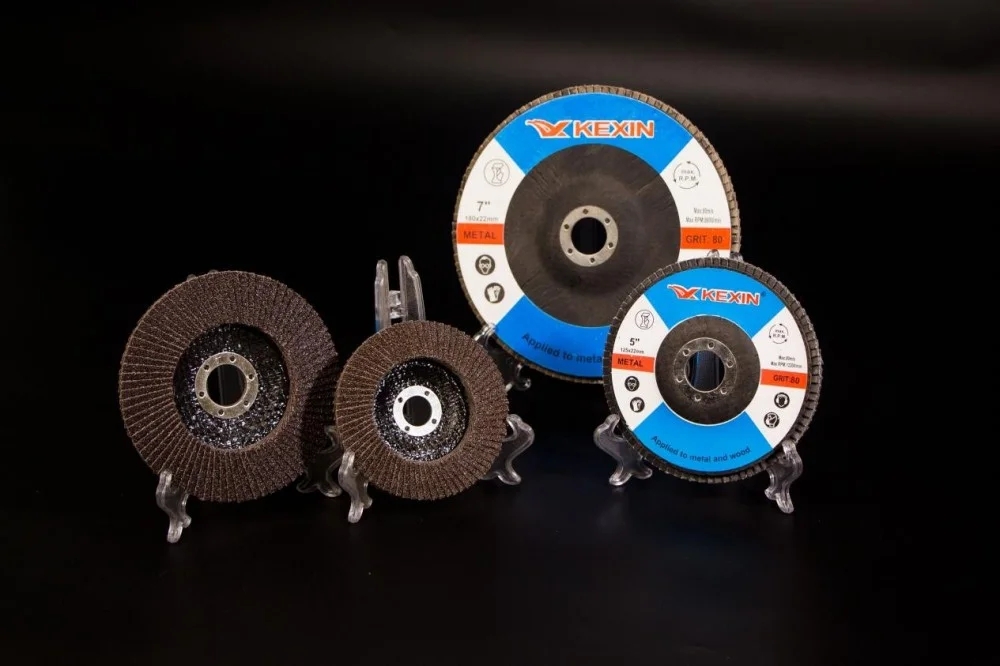
What Are Flap Discs?
Flap discs are abrasive tools made from multiple overlapping abrasive flaps attached to a backing plate. During operation, the flaps wear away gradually, continuously exposing fresh abrasive material for consistent cutting performance.
Compared with traditional grinding wheels, flap discs provide several advantages:
-
Smoother finishing quality
-
Lower vibration during operation
-
Better operator control
-
Reduced grinding marks
-
Improved efficiency for blending and polishing
Flap discs are commonly classified according to three major factors:
Abrasive Material
Different abrasives are designed for different grinding demands:
-
Aluminum Oxide (A): Suitable for general-purpose grinding and finishing tasks
-
Zirconia Alumina (ZA): Excellent for aggressive grinding and high material removal
-
Ceramic Alumina (CA): Offers superior durability and cutting performance for hard stainless steels
Grit Size
The grit determines how aggressively the disc cuts:
-
24–36 Grit: Heavy stock removal and weld grinding
-
60–80 Grit: Surface blending and preparation
-
120–180 Grit: Fine finishing and polishing
Backing Plate Type
The backing structure affects flexibility and durability:
-
Fiberglass Backing: Lightweight and commonly used
-
Plastic Backing: Offers flexibility and vibration reduction
-
Metal Backing: Designed for demanding industrial grinding applications
Choosing the right combination directly affects grinding efficiency, finish quality, and disc lifespan.
Important Factors When Grinding Stainless Steel
Stainless Steel Grade and Hardness
Different stainless steel grades respond differently to grinding. Austenitic stainless steels such as 304 and 316 are softer but sensitive to heat discoloration. Harder grades like 420 or 440 stainless steel require stronger abrasives capable of maintaining cutting efficiency under pressure.
For tougher materials, zirconia or ceramic flap discs generally provide better durability and faster cutting action.
Surface Finish Requirements
The desired finish plays a major role when selecting a flap disc.
-
For weld removal or heavy grinding, coarse zirconia discs are ideal
-
For blending and smoothing, medium-grit discs work best
-
For decorative finishing or polishing, fine-grit ceramic or aluminum oxide discs are recommended
Selecting the correct grit sequence helps create a smooth and uniform stainless steel surface while minimizing scratches.
Heat Control During Grinding
Stainless steel can easily overheat during grinding, resulting in discoloration, oxidation, or warping. High-performance flap discs reduce friction and improve heat dissipation.
To minimize heat damage:
-
Apply steady and moderate pressure
-
Maintain consistent movement
-
Avoid staying in one spot too long
-
Use quality abrasives with strong heat resistance
Premium ceramic and zirconia flap discs are especially effective at controlling grinding temperatures.
Importance of Disc Durability
Long-lasting flap discs improve productivity and reduce replacement costs. Durable discs maintain stable cutting performance, resist glazing, and provide consistent surface quality over extended use.
Manufacturers with advanced production technologies are better equipped to produce high-performance abrasive tools suitable for industrial stainless steel applications.
Why Many Workshops Choose Zhejiang Wangpeng’s Flap Discs
Founded in 1996, Zhejiang Wangpeng Electromechanical Technology Co., Ltd. has developed into a modern high-tech enterprise specializing in resin grinding products. Formerly known as Yongkang Xinxin Abrasives Co., Ltd., the company focuses on the research, manufacturing, and distribution of abrasive solutions for industrial applications.
Their product lineup includes:
-
Resin cutting wheels
-
Cymbal-shaped flap discs
-
Ultra-thin cutting blades
-
Specialized A, WA, and GC abrasive discs
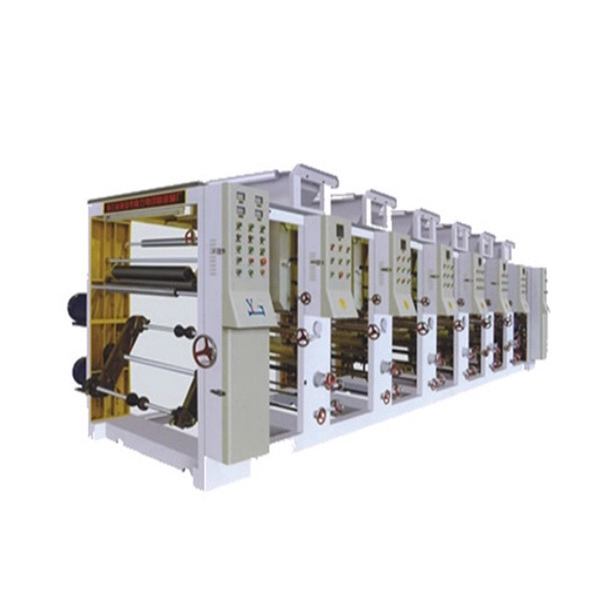
In recent years, the company has introduced advanced automated production systems to improve consistency, efficiency, and product quality. Their flap discs are engineered with balanced flexibility, optimized abrasive distribution, and strong heat resistance, making them highly suitable for stainless steel grinding operations.
You can learn more through Zhejiang Wangpeng Electromechanical Technology Co., Ltd..
Selecting the Best Abrasive for Stainless Steel
Zirconia Alumina Flap Discs
Best suited for:
-
Heavy grinding
-
Weld removal
-
Surface shaping
-
Aggressive stock removal
These discs offer strong cutting power and excellent wear resistance.
Aluminum Oxide Flap Discs
Recommended for:
-
General grinding
-
Surface blending
-
Light finishing work
They are cost-effective and suitable for softer stainless steel materials.
Ceramic Alumina Flap Discs
Ideal for:
-
Hard stainless steel alloys
-
High-pressure grinding
-
Long-duration industrial applications
Ceramic abrasives maintain sharp cutting edges longer and generate less heat during operation.
Recommended Grit Selection
The grinding process usually involves multiple stages:
| Grinding Stage | Recommended Grit |
|---|---|
| Heavy Material Removal | 24–36 |
| Weld Blending | 60–80 |
| Fine Finishing | 120–180 |
Using the correct grit progression improves surface consistency and reduces unnecessary grinding time.
Practical Grinding Tips
Maintain the Correct Grinding Angle
A grinding angle between 5° and 15° generally produces the best balance between cutting efficiency and surface finish.
Avoid Excessive Pressure
Applying too much force can:
-
Overheat stainless steel
-
Damage the abrasive surface
-
Shorten disc lifespan
Allow the flap disc to perform the cutting naturally.
Use Multiple Passes
Rather than removing large amounts of material at once, work gradually through several passes for better finish quality and improved control.
Check Disc Condition Regularly
Replace the flap disc if you notice:
-
Uneven wear
-
Reduced cutting efficiency
-
Glazing
-
Material buildup
High-quality discs maintain more stable performance and reduce downtime.
Prioritize Safety
Always wear proper protective equipment, including:
-
Safety glasses
-
Gloves
-
Hearing protection
-
Dust masks if necessary
Grinding stainless steel creates sparks and fine particles that require proper safety precautions.
Improving Workshop Productivity
The right flap disc can significantly improve workflow efficiency. Reliable abrasive products reduce grinding time, minimize rework, and deliver more consistent finishes.
Industrial users often benefit from standardizing high-quality abrasive tools across their operations. Consistent tool performance improves process stability while lowering long-term operating costs.
Conclusion
Choosing the correct flap disc for stainless steel grinding involves evaluating abrasive type, grit size, backing material, and the specific grinding application. High-performance flap discs help reduce heat buildup, improve finishing quality, and increase operational efficiency.
Zhejiang Wangpeng Electromechanical Technology Co., Ltd. provides a wide range of professional abrasive solutions designed for durability, precision, and industrial reliability. Their advanced manufacturing capabilities and focus on quality make their flap discs a dependable choice for stainless steel grinding applications.
For more product details, visit Flap Discs Collection.
www.wp-cut.com
Zhejiang Wangpeng Electromechanical Technology Co., Ltd.