In modern industrial manufacturing, compressed air has become the "fourth utility" after electricity, water, and natural gas. However, achieving high-purity compressed air that meets stringent quality standards requires more than just compression equipment—it demands precision filtration systems with carefully selected filter housings. The right filter housing selection directly impacts air quality, system efficiency, operational costs, and production safety across industries from semiconductors to pharmaceuticals.
Understanding High-Purity Compressed Air Standards
High-purity compressed air must meet ISO 8573-1:2010 standards, which classify air quality across multiple dimensions including particle contamination, water content, and oil residue. For critical applications in semiconductor manufacturing, pharmaceutical production, and food processing, achieving Class 0 or Class 1 purity is essential—requiring filtration precision down to 0.01μm with residual oil content below 0.001 ppm. These exacting requirements make filter housing selection a technical decision that cannot be taken lightly.
Critical Factors in Filter Housing Selection
Pressure Rating Compatibility: Filter housings must match or exceed system operating pressures. Standard industrial applications typically operate at 1.0-1.6 MPa, while specialized high-pressure systems may reach 2.0 MPa or even 8.0 MPa (80 bar). Selecting housings with inadequate pressure ratings creates serious safety risks and potential system failures. For extreme pressure environments, integrated forging construction with reinforced structural design provides the necessary mechanical strength and long-term stability.
Material Selection for Application Environment: Housing material directly determines corrosion resistance, contamination prevention, and service longevity. For pharmaceutical and food-grade applications requiring GMP and FDA compliance, 316L stainless steel housings with smooth internal surfaces (Ra ≤0.3μm) prevent bacterial growth and facilitate cleaning validation. Chemical processing environments demand materials resistant to specific corrosive agents, while general manufacturing may utilize silicon-aluminum alloy housings that offer excellent strength-to-weight ratios with multi-layer corrosion protection through electrophoretic coating and electrostatic epoxy spraying.
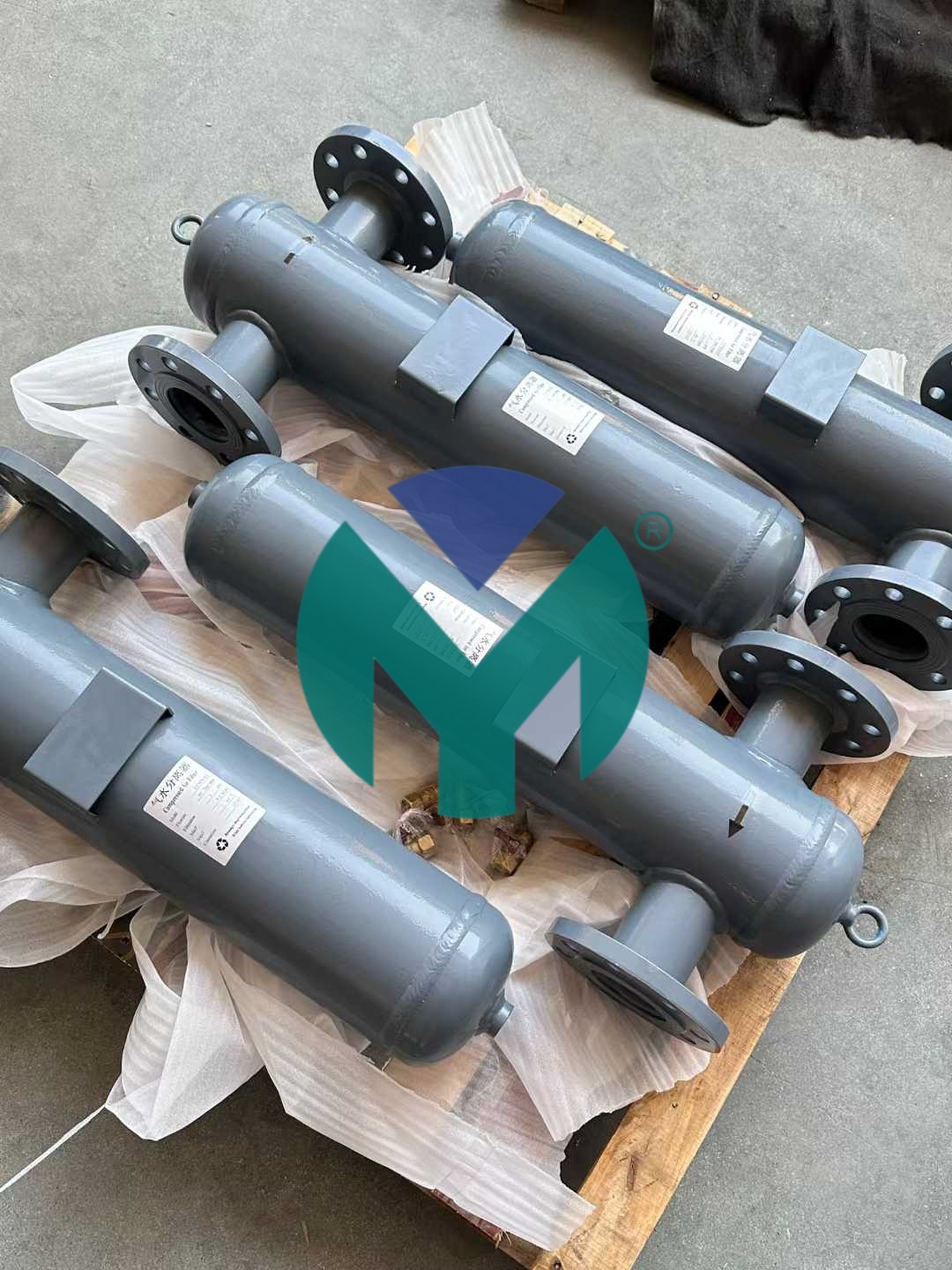
Flow Capacity and Pressure Drop Optimization: Undersized filter housings create excessive pressure drops that waste energy and reduce system efficiency. Proper housing selection must accommodate required flow rates (measured in Nm³/min) while maintaining pressure drops below 0.02 MPa under rated conditions. Advanced housing designs incorporate CFD (Computational Fluid Dynamics) optimized internal flow channels that reduce turbulence and minimize energy losses. This engineering approach can reduce system energy consumption by 15-25% compared to conventional designs—translating to substantial operational cost savings over the equipment lifecycle.
Filtration Precision Requirements: Different applications demand varying filtration grades. Semiconductor cleanrooms require ultra-fine 0.01μm filtration to prevent particle contamination of sensitive processes, while general pneumatic tools may function adequately with 5μm filtration. Filter housings must accommodate the appropriate filter element grades—ranging from coarse pre-filtration (C-grade) through ultra-high efficiency oil vapor removal (H-grade). Many applications benefit from multi-stage filtration systems where housings support progressive precision levels to extend element life and optimize overall system performance.
Connection Standards and System Integration: Filter housings must integrate seamlessly with existing compressed air infrastructure. Standard connection options include G-thread (1/2" to 3"), DN flanges (DN65 to DN300), and NPT threads for international applications. Proper interface matching eliminates the need for costly pipeline modifications and prevents potential leak points. For system retrofits or equipment replacements, compatibility with existing mounting configurations and space constraints becomes a critical selection factor.
The Wuxi Yuanmei Approach to Filter Housing Excellence
Wuxi Yuanmei Filtration & Purification Equipment Co., Ltd. has established itself as a specialist in high-performance compressed air filtration solutions since 2016, earning recognition as a National High-Tech Enterprise with 32+ authorized patents covering advanced housing designs and filtration technologies. The company's ACF Series Compressed Air Precision Filters exemplify the integration of critical housing selection factors into production-ready solutions.
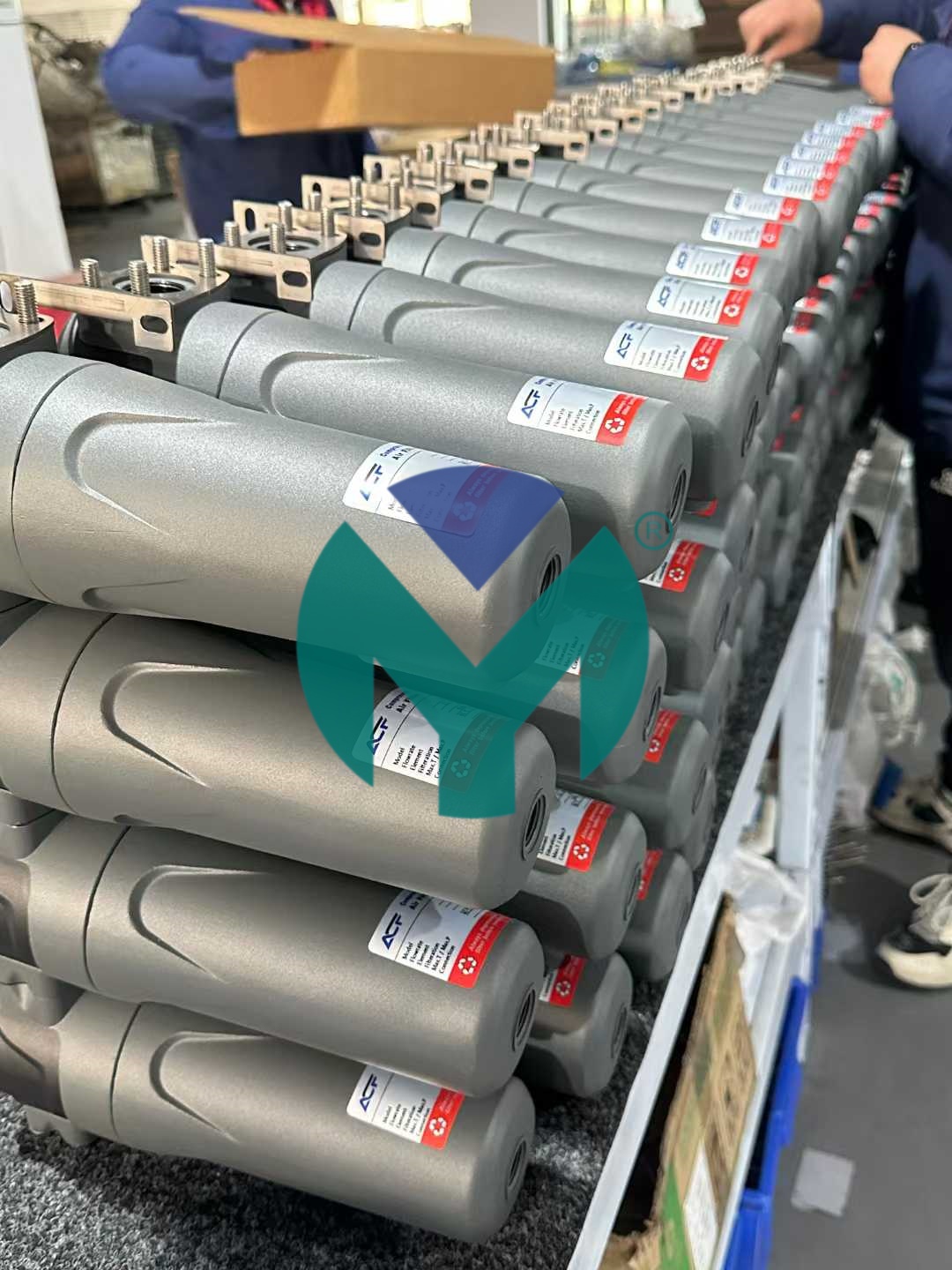
The ACF Series features aerospace-grade silicon-aluminum alloy housings manufactured through one-step die-casting, delivering pressure resistance up to 4.0 MPa while achieving 30% weight reduction compared to traditional stainless steel alternatives. For extreme corrosion scenarios, 316L stainless steel and PTFE-lined housing options provide continuous operation at temperatures up to 260℃ with complete resistance to pH 0-14 corrosive substances. This material versatility allows precise matching to specific application environments without compromising performance or safety.
Internal flow optimization represents another key differentiator. Yuanmei's R&D team employs computational fluid dynamics simulation to design turbulence-reducing flow channels that achieve uniform airflow distribution and minimize pressure drops to ≤70 Pa for standard elements. The resulting 15-20% energy consumption reduction compared to competitive models translates directly to lower operating costs—a significant advantage for facilities running continuous compressed air operations.
Practical Housing Selection Framework
For semiconductor and electronics manufacturing requiring ISO 8573-1 Class 0 compliance, specify housing systems supporting 0.01μm filtration elements with 316L stainless steel construction, pressure ratings matching cleanroom supply systems (typically 0.8-1.6 MPa), and validated low-particle-generation characteristics. Pharmaceutical and biotech applications add requirements for sterilization-grade designs with smooth internal surfaces (Ra ≤0.3μm), 100% DOP integrity testing capability, and complete materials documentation for regulatory validation.
Lithium battery and new energy manufacturing benefit from housings with anti-electrolyte corrosion treatments, high dust-holding capacity supporting extended element service life (4,000-8,000 operating hours), and moisture-free air delivery capabilities. Food and beverage processing requires FDA-compliant materials, food-grade seals, and designs facilitating regular sanitization while maintaining activated carbon element compatibility for complete oil vapor and odor removal.
Performance Verification and Quality Assurance
Proper filter housing selection must be validated through performance testing under actual operating conditions. Critical verification parameters include pressure drop measurement at rated flow, leak testing under maximum operating pressure, filtration efficiency validation using particle counters and residual oil detectors, and structural integrity confirmation through extended pressure cycling. Yuanmei maintains an ISO 8573-1 compliant testing laboratory equipped with specialized instruments including OIL-Check400 residual oil detectors (0.001 mg/m³ detection limit) and PC400 high-precision particle counters, enabling independent verification that housing and element combinations achieve specified performance levels.
Long-Term Operational Considerations
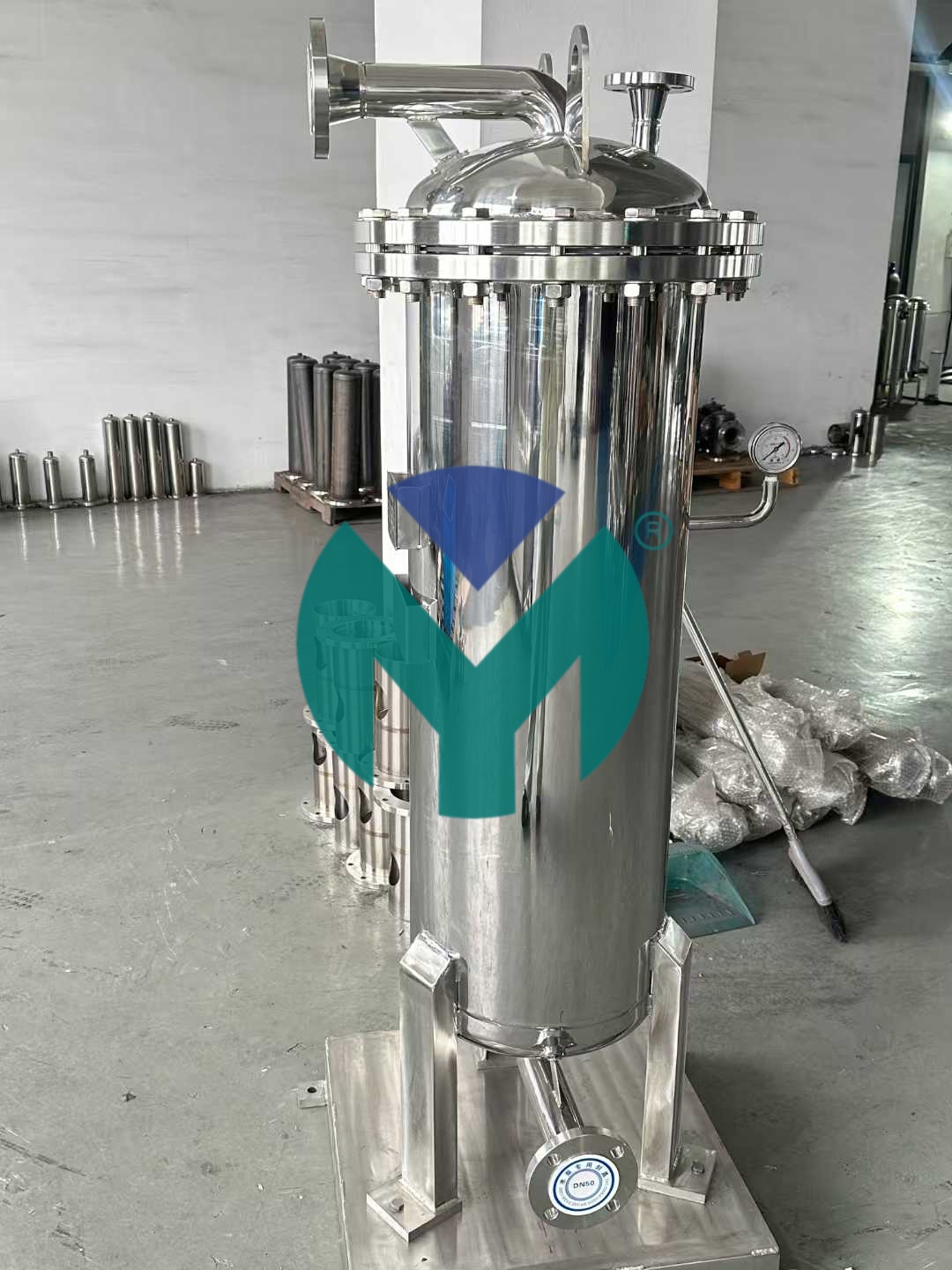
Filter housing selection impacts total cost of ownership beyond initial purchase price. Housings designed for quick element replacement reduce maintenance labor costs and system downtime. Yuanmei's patented bayonet lock design enables tool-free, leak-proof element replacement in 60 seconds—three times faster than conventional filters. Modular housing systems that accommodate multiple filtration stages within compact footprints optimize facility space utilization while simplifying maintenance procedures.
Durability directly affects replacement frequency and lifecycle costs. Housing designs incorporating FKM or PTFE seals withstand temperatures from -20℃ to 280℃ while ensuring zero leakage under high-pressure and thermal cycling conditions. Multi-layer corrosion protection extends service life in challenging environments, eliminating premature replacement expenses.
Conclusion
Selecting the optimal filter housing for high-purity compressed air applications requires systematic evaluation of pressure ratings, material compatibility, flow characteristics, filtration precision requirements, and system integration factors. By prioritizing these technical criteria and partnering with specialized manufacturers possessing proven expertise in precision filtration engineering, industrial facilities can achieve superior air quality, enhanced energy efficiency, reduced operational costs, and reliable long-term performance. The careful housing selection process represents not merely a procurement decision but a strategic investment in production quality, process reliability, and competitive operational efficiency.
https://www.acf-filter.com
Wuxi Yuanmei Filtration and Purification Equipment Co., Ltd.