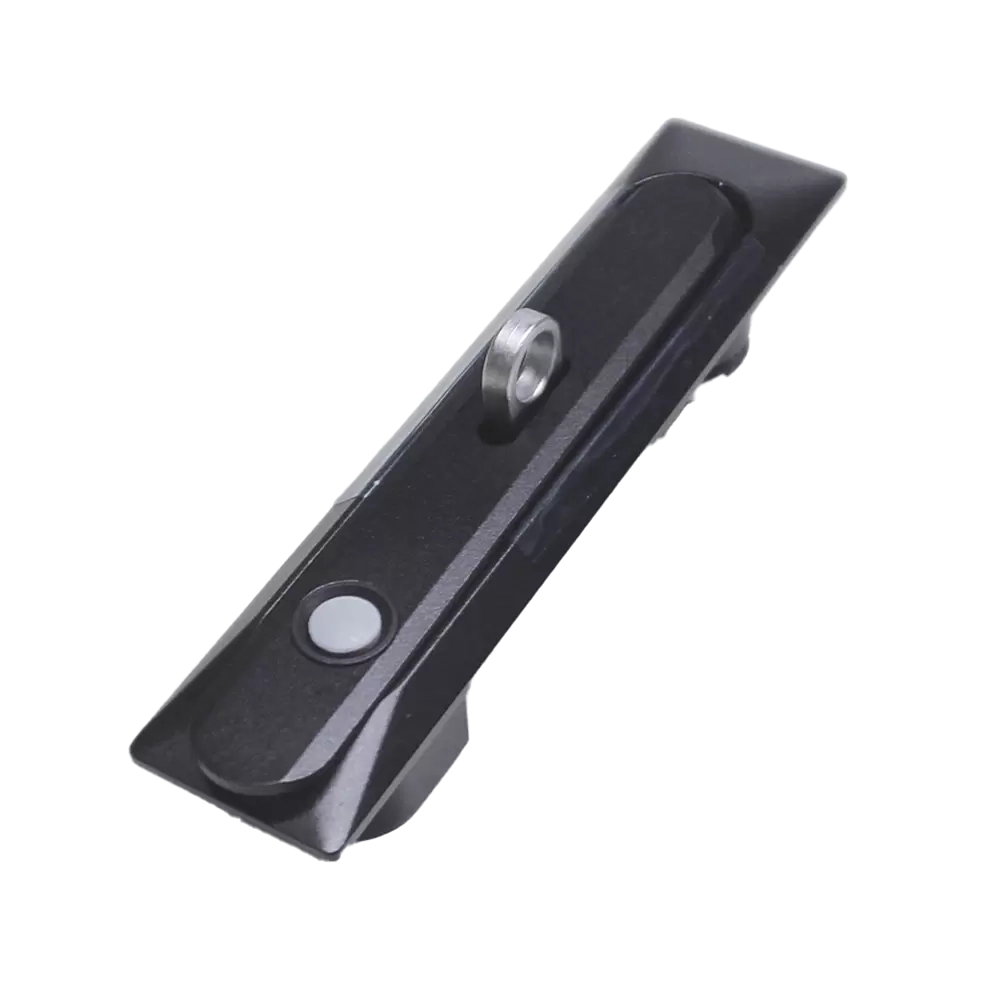
Most overseas distributors do not lose money on environmental protection machinery because the machine itself fails. They lose it in the gap between what a catalog picture promised and what the container actually delivered. A photograph can show a frame, a hopper and a control panel; it cannot show wall thickness, spare-part availability, or whether the supplier will still answer emails twelve months after the invoice is paid. Closing that gap is the real work of sourcing — and it is the part of the conversation we prefer to have before an order is placed, not after.
Start With the Application, Not the Machine
Buyers often arrive with a model number and a target price. A more productive starting point is the working environment: what material or waste stream is being handled, what the site's power supply looks like, how much floor space is available, and who will operate and maintain the unit day to day. Those four answers usually narrow a catalog faster than any price negotiation.
When you share that context with a supplier, you should expect a response that engages with it — questions back, alternative configurations, notes on what a given unit will not do well. A supplier who simply confirms every requirement you list is not helping you; they are postponing the problem until installation.
What a Serious Supplier Should Put in Writing
Environmental protection machinery sits in an awkward category for importers: it is heavy, it is often customized, and it is frequently installed where downtime is expensive. Before committing, ask for the following in writing, not verbally:
1. A configuration sheet that matches the quotation. Voltage, phase, control system, material of construction, inlet and outlet dimensions, and the scope of what is included versus optional. Ambiguity here is the single most common source of disputes on equipment shipments.
2. The spare-parts list. Which components are consumables, which wear items should travel in the first container, and which parts are standard enough to be sourced locally by your customer. A distributor who can supply a filter element or a seal within a week protects the relationship; one who cannot loses the account to whoever can.
3. Packaging and loading details. Export packing method, whether the unit ships assembled or in sections, lifting points, and the approximate shipping volume so your forwarder can quote accurately rather than optimistically.
4. Documentation scope. What the supplier will provide for customs clearance and for the end user — packing list, commercial invoice, and the technical documents that accompany the equipment. Confirm this before production, because it cannot be retrofitted at the port.
Reading an Image-Only Catalog Like a Buyer
Many Chinese manufacturers publish their product range as a picture catalog rather than a specifications database, especially where the range is broad and configurations vary by order. A catalog of that kind is a useful map of what a factory can build, but it is not a technical document. Treat each image as a question rather than an answer: what is the frame gauge, what drives the unit, how is it controlled, what is the maintenance access like, and can the same platform be supplied in a different capacity for a different market?
This is exactly how we prefer to work with new distributors. Send us the page or image that interests you, tell us the application, and we will come back with the configuration detail behind the picture rather than a generic brochure. It is a slower first exchange and a much faster second one.
Where These Machines Typically Earn Their Keep
Environmental protection equipment is rarely bought for its own sake; it is bought because a site has to handle material more cleanly, more compactly or more safely than it does today. In practice, enquiries we receive tend to cluster around a handful of settings:
Industrial plants and workshops dealing with process residue, dust or fluid streams that need containment before discharge or transport. Waste handling and recycling operations where volume reduction and material separation directly affect the cost of every tonne moved. Municipal and campus facilities that need robust, simple-to-operate units with clear maintenance routines for staff who are not engineers. Agricultural and food-processing sites where organic by-products have to be managed within a limited footprint and a limited budget.
The common thread is that the buyer needs the equipment to fit an existing workflow, not the other way round. That is why configuration discussions matter more in this sector than in commodity machinery.
Who We Are
Ningbo Shangfuyuan Environmental Protection Technology Co., Ltd, operating internationally as Gaomi Huaju Machinery Equipment Co., Ltd, is a China-based supplier of environmental protection machinery and equipment serving overseas buyers, importers and regional distributors. We are based in the High-tech Zone of Ningbo, Zhejiang — one of China's most active manufacturing and export regions, with direct access to the port infrastructure that keeps equipment shipments predictable.
Our role in a distribution channel is deliberately narrow and practical: help you identify the right configuration for your market, supply machinery and spare parts to an agreed specification, prepare the export documentation your forwarder and customs broker require, and stay reachable after the container sails. We publish a product catalog for orientation, and we expect to spend the real conversation on the specification behind it.
Industry Insight: The Shift From Unit Price to Uptime
Across the enquiries we handle, the most noticeable change in buyer behaviour is a move away from comparing quotations on headline price alone. Distributors who have been burned once tend to ask better questions the second time: how long does a wear part last under normal duty, what happens if a motor fails in year two, is the control system something a local electrician can service, and does the supplier keep records of the exact configuration shipped so a repeat order matches the first one?
None of those questions appear on a quotation sheet, and all of them determine whether the product line is profitable three years out. For a supplier, answering them honestly — including admitting where a unit is not the best fit — is the cheapest customer-retention tool available. For a distributor, asking them is the cheapest risk-management tool available. Both sides are better off when the technical conversation happens before the purchase order, not after it.
Next Step: Send Us the Application, Not Just the Model Number
If you are evaluating environmental protection machinery for your market, the fastest way to get a useful answer is to tell us what the equipment has to do, where it will be installed, and what your customer's operating constraints look like. We will respond with configuration detail, spare-parts guidance and export information you can take to your own customers.
Company: Ningbo Shangfuyuan Environmental Protection Technology Co., Ltd (Gaomi Huaju Machinery Equipment Co., Ltd)
Address: Room 2308, Building 043, No. 777 Xinhui Road, Juxian Street, High-tech Zone, Ningbo, Zhejiang, China
Contact: Zhou Chunjiang
Phone: 13736161616
Fax: 0574-87907523
Email: 13736161616@139.com
Websites: www.wellion.cn | www.sfyenv.com
We welcome distributor enquiries, OEM and configuration discussions, and long-term supply partnerships. Tell us the application — we will take it from there.