In the rapidly evolving world of unmanned aerial vehicles (UAVs), selecting the right components is essential for achieving optimal performance, safety, and efficiency. Among these components, the electronic speed controller (ESC) plays a critical role in controlling the drone’s motors and ensuring stable flight. Whether you are building a racing drone, a photography quadcopter, or an industrial UAV, choosing the right electronic speed controller can significantly impact the overall performance of your drone.
This comprehensive guide explains how ESCs work, the key factors to consider when selecting one, and practical tips to ensure compatibility with your drone’s motors and flight system.
Understanding What an Electronic Speed Controller Does
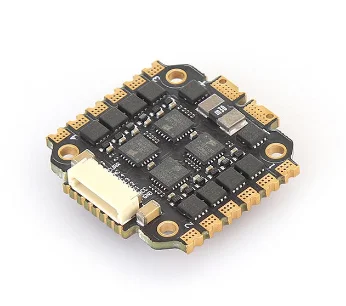
An electronic speed controller is an electronic device that regulates the speed of a brushless motor in a drone. It acts as a bridge between the flight controller and the motor, translating throttle signals into precise electrical pulses that determine motor speed.
In a typical drone system, the flight controller sends commands to the ESC, and the ESC adjusts the amount of power delivered from the battery to the motor. This process allows the drone to accelerate, hover, maneuver, and stabilize itself during flight.
The ESC performs several important functions:
-
Controlling motor speed based on flight controller signals
-
Converting DC power from the battery into three-phase power for brushless motors
-
Providing rapid response to throttle changes
-
Protecting motors from overcurrent or overheating
Because the ESC directly influences motor performance and flight stability, choosing the correct model is crucial.
Key Factors to Consider When Choosing a Drone ESC
When selecting an electronic speed controller for a drone, several technical specifications and compatibility factors must be considered.
1. Current Rating (Amperage)
One of the most important specifications of an ESC is its current rating, measured in amperes (A). This rating indicates how much electrical current the ESC can safely handle while powering the motor.
To select the correct ESC current rating:
-
Check the maximum current draw of your motor.
-
Choose an ESC that can handle at least 20–30% more current than the motor’s maximum requirement.
For example:
-
If a motor draws 20A at full throttle, choose an ESC rated for at least 25A–30A.
This safety margin prevents overheating and improves reliability during aggressive maneuvers or heavy loads.
2. Voltage Compatibility
Drone ESCs must be compatible with the battery voltage used in your drone. Lithium polymer (LiPo) batteries are commonly used in drones and are rated by the number of cells they contain.
Common battery configurations include:
-
3S (11.1V)
-
4S (14.8V)
-
6S (22.2V)
-
12S or higher for industrial drones
Each ESC specifies the supported voltage range. Using a battery voltage higher than the ESC’s rating can permanently damage the controller.
When choosing an ESC, always ensure it supports the battery configuration you plan to use.
3. ESC Firmware and Protocols
Modern drone ESCs rely on specialized firmware and communication protocols to deliver fast and precise motor control.
Some common ESC protocols include:
-
PWM (Pulse Width Modulation) – Older but widely supported
-
OneShot125 / OneShot42 – Faster signal transmission
-
Multishot – Improved response speed
-
DShot (Digital Shot) – Digital protocol with high reliability and accuracy
Among these, DShot protocols (such as DShot300 or DShot600) are widely used in modern drones due to their precision and resistance to signal interference.
When selecting an ESC, ensure it supports the protocol used by your flight controller.
4. Type of ESC: Individual vs 4-in-1
Drone ESCs typically come in two configurations.
Individual ESC
Each motor uses a separate ESC mounted on the drone’s arms.
Advantages:
-
Better heat dissipation
-
Easy replacement if one ESC fails
-
More flexible for custom builds
Disadvantages:
-
More wiring
-
Slightly heavier
4-in-1 ESC
A single board integrates four ESCs to control all motors.
Advantages:
-
Compact design
-
Reduced wiring
-
Cleaner drone build
Disadvantages:
-
Harder to replace if damaged
-
Higher cost for replacement
For racing drones and compact quadcopters, 4-in-1 ESCs are very popular. For large drones or heavy-lift UAVs, individual ESCs may provide better reliability.
5. Response Speed and Performance
Fast response time is essential for drones, especially racing drones or acrobatic UAVs.
High-performance ESCs provide:
-
Rapid throttle response
-
Smooth motor acceleration
-
Precise speed control
These features improve:
-
Flight stability
-
Maneuverability
-
Overall drone control
ESCs with advanced firmware such as BLHeli_32 or SimonK are often preferred for high-performance drone applications.
6. Cooling and Heat Dissipation
Electronic speed controllers generate heat during operation. If heat is not properly managed, it can lead to reduced efficiency or component failure.
When selecting an ESC, consider:
-
Aluminum heat sinks
-
High-quality MOSFET components
-
Proper airflow in the drone frame
For industrial drones or heavy payload applications, ESCs with enhanced cooling systems are highly recommended.
7. Weight and Size
Weight is a critical factor in drone performance. Heavy components reduce flight time and limit payload capacity.
When choosing an ESC:
-
Ensure it fits within the drone frame
-
Minimize weight without sacrificing durability
Compact ESC designs are particularly important for racing drones or lightweight UAVs.
8. Safety Features
Modern ESCs include several built-in safety features designed to protect the drone’s electronics and motors.
Common safety features include:
-
Overcurrent protection
-
Thermal protection
-
Low-voltage cutoff
-
Motor stall protection
These protections prevent system damage during extreme operating conditions.
Matching the ESC with Drone Motors
Properly matching the ESC with the motor is essential for efficient performance.
When selecting an ESC, always consider the following motor specifications:
-
KV rating
-
Maximum current draw
-
Operating voltage
-
Propeller size
For example, a high-KV motor used in racing drones often requires an ESC capable of handling high RPM and rapid throttle changes.
On the other hand, motors used in heavy-lift drones require ESCs with high current capacity and stable power delivery.
Choosing ESCs for Different Types of Drones
Different drone applications require different ESC specifications.
Racing Drones
Racing drones prioritize speed and responsiveness.
Recommended ESC features:
-
High refresh rate
-
DShot protocol support
-
Lightweight design
-
Current rating of 30A–60A
Aerial Photography Drones
Camera drones require smooth and stable motor control.
Recommended ESC features:
-
Precise throttle response
-
Low electrical noise
-
Reliable temperature management
Industrial and Heavy-Lift Drones
These drones carry large payloads and require powerful motors.
Recommended ESC features:
-
High current capacity (80A–200A+)
-
High voltage support (6S–12S batteries)
-
Strong thermal management
Common Mistakes When Choosing a Drone ESC
Many drone builders make mistakes when selecting ESCs. Avoid the following common issues.
Choosing an ESC with Too Low Current Rating
This can cause overheating and failure during high-throttle situations.
Ignoring Firmware Compatibility
Some ESCs may not support your flight controller’s protocol.
Overlooking Cooling Requirements
Poor airflow can shorten ESC lifespan.
Using Cheap or Low-Quality ESCs
Low-quality ESCs may cause unstable flight or motor desynchronization.
Future Trends in Drone ESC Technology
As drone technology advances, ESC design continues to evolve.
Key trends include:
-
Higher efficiency MOSFET components
-
AI-assisted motor control algorithms
-
Integrated telemetry systems
-
Improved digital communication protocols
These innovations will make drones more efficient, reliable, and capable of performing complex missions.
Conclusion
Selecting the right electronic speed controller for a drone is a critical step in building a reliable and high-performance UAV. The ESC directly influences motor behavior, flight stability, and power efficiency.
When choosing an ESC, drone builders should carefully consider factors such as current rating, voltage compatibility, firmware support, cooling design, and compatibility with motors and flight controllers.
By understanding these key considerations and selecting high-quality components, drone operators can achieve better flight performance, longer system lifespan, and improved safety.
As drone applications continue expanding across industries—from aerial photography to logistics and industrial inspection—the importance of reliable electronic speed controllers will only continue to grow. Proper ESC selection ensures that drones operate efficiently and deliver consistent performance in demanding environments.
www.pega-fly.com
pega-fly