
Men’s knitwear has long evolved past its role as a simple cold-weather layer. By 2026, it has become a key expression of modern menswear—sitting comfortably between comfort, technical performance, and elevated everyday style. Rather than acting as a supporting item, knitwear is now often the centerpiece of seasonal wardrobes.
Across global fashion markets, designers are rethinking silhouettes, materials, and production methods. The result is a category defined by ease, versatility, and innovation. Below are the major directions shaping men’s knitwear in 2026, along with how manufacturers are adapting to increasingly complex global expectations.
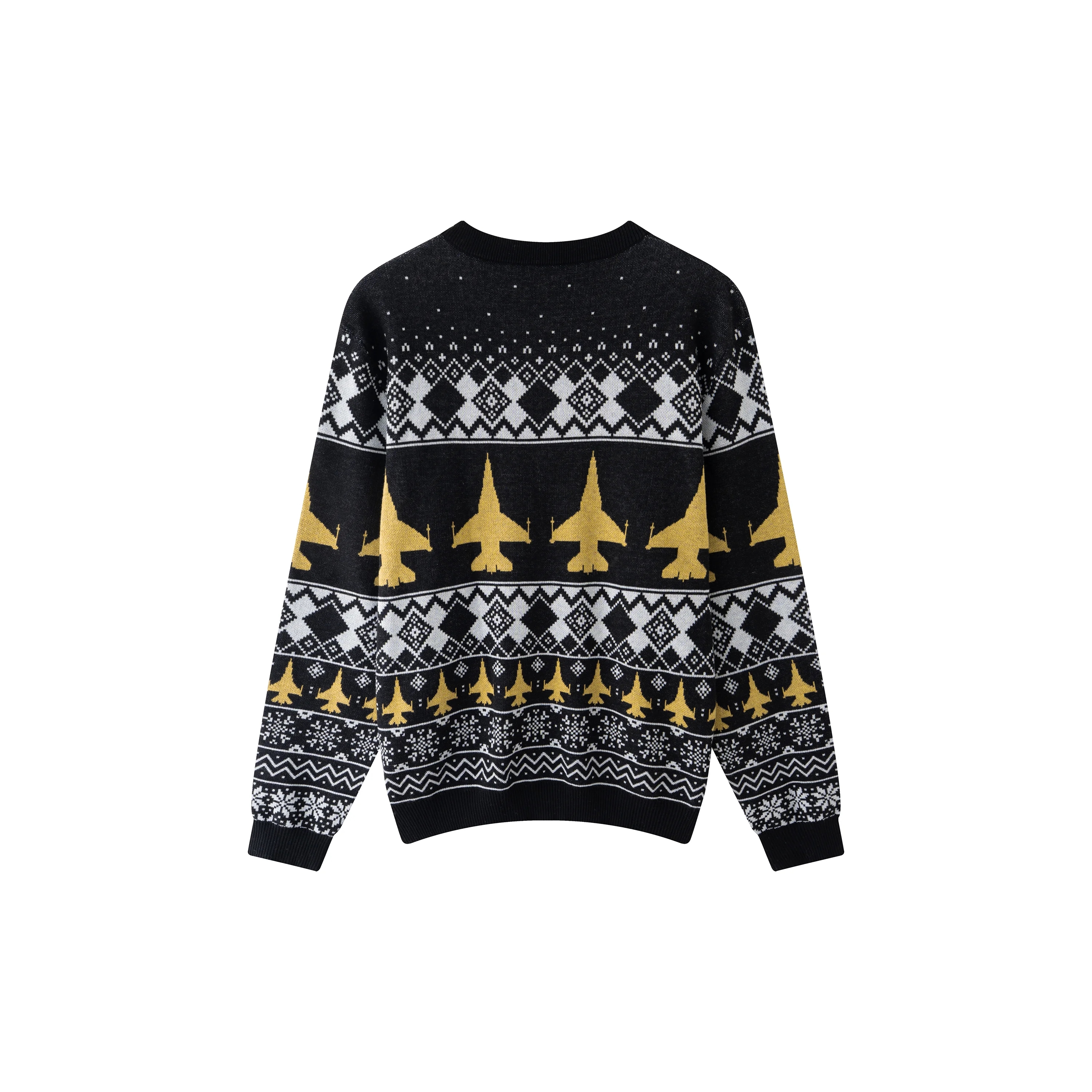
1. Relaxed Shapes with Purposeful Structure
Loose-fitting silhouettes continue to dominate knitwear trends in 2026. Oversized sweaters, dropped-shoulder pullovers, and soft cardigans remain popular, but they are now designed with more precision than in previous seasons.
The key difference lies in tailoring details. Designers are refining proportions through structured shoulders, cleaner necklines, and improved hem and cuff ribbing. This ensures that relaxed pieces still look intentional rather than unstructured.
The goal is no longer “simply oversized,” but rather balanced silhouettes that maintain elegance while offering comfort and ease of movement.
2. Texture Becomes the Main Visual Language
In today’s competitive menswear landscape, flat and minimal knits are no longer enough to stand out. Texture is becoming one of the most important design tools in 2026 knitwear collections.
Traditional cable knits are being redesigned with irregular patterns and modern asymmetry. Rib structures are combining multiple stitch densities within a single garment. Even heritage fisherman styles are being reworked using lighter yarns for improved breathability.
These tactile variations replace loud graphics or heavy prints, allowing brands to express identity through surface detail rather than color or logos.
3. Natural Color Palettes with Subtle Contrast Accents
Color direction is strongly influenced by earthy and neutral tones. Shades such as oatmeal, sand beige, slate grey, olive, and warm brown dominate collections due to their versatility and long product life cycle.
However, 2026 does not abandon color altogether. Instead, brands introduce controlled accent tones—such as muted blue, deep burgundy, or burnt orange—used sparingly in trims, stitching, or panel highlights.
This approach maintains timeless appeal while still offering visual freshness for seasonal updates.
4. Functional Performance Knits for Daily Wear
Modern consumers expect knitwear to deliver more than warmth. Functionality has become a core requirement across all price segments.
New-generation knit fabrics often include moisture management properties, anti-pilling treatments, and enhanced elasticity retention. These improvements help garments keep their shape after repeated wear and washing.
Lightweight layering knits are also gaining importance, especially in urban lifestyles where indoor and outdoor environments shift frequently. Knitwear is now designed to perform across multiple daily scenarios without compromising appearance.
5. Sustainability and Supply Chain Transparency
Sustainability has shifted from a marketing advantage to a baseline expectation in global apparel sourcing. Buyers increasingly demand traceable materials, responsible dye processes, and certified production systems.
Manufacturers with strong compliance credentials are becoming preferred partners. For instance, Jiaxing Zhonghui Import and Export Co., Ltd. draws on more than three decades of knitwear production expertise, offering integrated OEM/ODM services aligned with modern sustainability standards. The company operates under BSCI certification and ensures REACH-compliant production practices, supporting safer textile manufacturing.
Its strategic location near Shanghai Port also improves logistics efficiency, enabling faster global shipping while maintaining consistent quality control.
6. Customization Drives Market Growth
Customization has moved far beyond luxury fashion and is now a mainstream requirement across menswear knitwear markets.
Brands increasingly request flexible options in yarn selection, stitch development, branding placement, and color matching. This shift is closely tied to the growth of private labels and the need for stronger retail differentiation.
Full-service OEM/ODM manufacturers are particularly well positioned in this environment. Jiaxing Zhonghui Import and Export Co., Ltd. supports this demand through advanced sampling capabilities and a responsive in-house development system. Its sample room allows rapid prototyping, helping reduce development cycles and accelerate time-to-market.
7. Hybrid Knitwear Designs on the Rise
A growing design direction in 2026 is hybrid construction—blending knit fabrics with woven panels or technical inserts.
This may include reinforced shoulder sections, weather-resistant overlays, or structural fabric zones placed in high-wear areas. These combinations enhance durability while adding visual contrast and functional variation.
Hybrid knitwear is especially popular for transitional seasons, where adaptability is more important than heavy insulation. It reflects a broader shift toward multifunctional garments that support dynamic daily lifestyles.
8. Modern Interpretation of Retro Influences
Vintage-inspired aesthetics continue to influence knitwear, but the 2026 approach is far more restrained and refined.
Classic elements such as argyle patterns, heritage stripes, and retro textures are being simplified. Instead of bold nostalgic statements, designers focus on subtle references integrated into modern silhouettes.
This balance allows brands to evoke familiarity and storytelling while maintaining clean, contemporary appeal.
Manufacturing Perspective: Why Capability Matters More Than Ever
As knitwear design becomes more complex, production capability is increasingly critical. The ability to accurately translate design intent into consistent large-scale output is now a key competitive advantage.
Integrated manufacturers play a central role in this ecosystem. With decades of experience, Jiaxing Zhonghui Import and Export Co., Ltd. provides end-to-end OEM/ODM solutions covering development, sampling, production, and delivery. Its skilled technical team and modern production systems ensure stable quality across varied product categories.
Strong logistics connectivity through Shanghai Port further strengthens its global responsiveness, enabling efficient distribution for international clients.
For more information on men’s knitwear solutions, visit:
Men Knitwear
Conclusion
Men’s knitwear in 2026 is defined by a careful balance of opposing forces—relaxed yet structured, minimalist yet textured, traditional yet innovative. From evolving silhouettes and tactile fabric design to performance features and sustainable production, the category continues to expand in both creative and technical directions.
In this fast-moving landscape, brands that combine design foresight with flexible manufacturing capabilities will lead the market. As demand for customization, speed, and responsibility grows, integrated production partners will remain essential to shaping the future of menswear knitwear.
www.zhonghui-knits.com
Jiaxing Zhonghui Import and Export Co., Ltd.