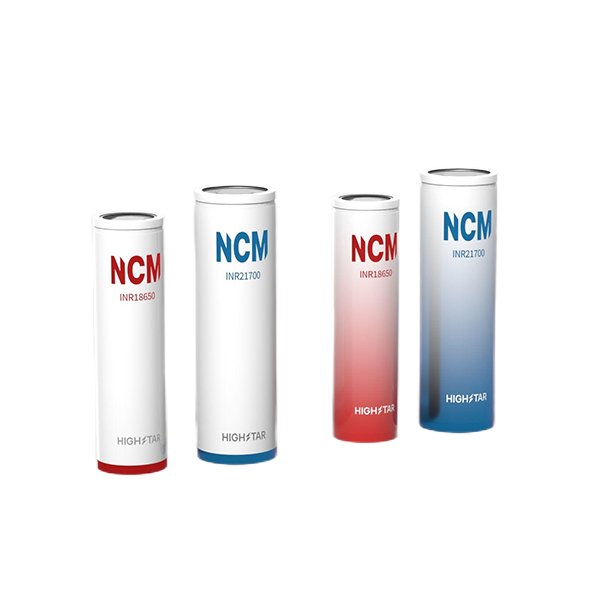
Nickel Manganese Cobalt (NMC) cells have become one of the most widely used lithium-ion battery chemistries in modern energy storage applications. From electric vehicles to grid storage systems and portable electronics, NMC cells are valued for their high energy density, long cycle life, and balanced performance. However, as their usage expands, a critical question arises: Are NMC cells safe?
To answer this, we need to examine how NMC cells are constructed, what risks they may pose, and how modern engineering and safety practices mitigate those risks. This deep dive will provide a comprehensive understanding of NMC battery safety, helping manufacturers, engineers, and end-users make informed decisions.
Understanding NMC Cells: A Brief Overview
NMC cells are a type of lithium-ion battery that uses a cathode composed of nickel, manganese, and cobalt. Each element contributes specific advantages:
-
Nickel enhances energy density, allowing batteries to store more power.
-
Manganese improves stability and safety.
-
Cobalt increases structural integrity and overall lifespan.
The combination of these elements creates a well-balanced battery chemistry that offers both high performance and reasonable safety when properly designed and managed.
Why Safety Matters in Lithium-Ion Batteries
Before diving into NMC-specific safety, it's important to understand why lithium-ion batteries in general require careful safety consideration.
Lithium-ion batteries store a large amount of energy in a compact space. If something goes wrong—such as overcharging, physical damage, or overheating—the stored energy can be released rapidly. This can lead to:
-
Thermal runaway
-
Fire or explosion
-
Toxic gas release
-
Permanent battery damage
Because NMC cells are high-energy-density batteries, they require strict safety controls to prevent these risks.
Are NMC Cells Inherently Safe?
The short answer is: NMC cells are safe when properly designed, manufactured, and used within specified conditions.
However, like all lithium-ion batteries, they are not inherently risk-free. Their safety depends on multiple factors:
-
Cell design and quality
-
Battery management systems (BMS)
-
Operating environment
-
Charging and discharging practices
-
Thermal control systems
Let’s explore each of these in detail.
1. Thermal Stability and Thermal Runaway
One of the primary safety concerns with NMC cells is thermal runaway.
Thermal runaway is a chain reaction where increasing temperature leads to further heat generation, eventually causing the battery to fail catastrophically.
Compared to other chemistries:
-
NMC cells are less thermally stable than LiFePO4 cells
-
However, they are more stable than older lithium-ion chemistries like LCO
The risk of thermal runaway in NMC cells increases under the following conditions:
-
Overcharging beyond recommended voltage
-
Short circuits (internal or external)
-
Physical damage or puncture
-
Exposure to extreme temperatures
To mitigate these risks, manufacturers incorporate:
-
Thermal insulation materials
-
Pressure relief mechanisms
-
Internal separators to prevent short circuits
2. Role of Battery Management Systems (BMS)
A key component that significantly enhances NMC safety is the Battery Management System (BMS).
The BMS acts as the “brain” of the battery pack, continuously monitoring and controlling:
-
Voltage levels
-
Current flow
-
Temperature
-
State of charge (SOC)
-
State of health (SOH)
If the system detects any abnormal condition, it can:
-
Shut down the battery
-
Limit charging or discharging
-
Balance cells to prevent overloading
Without a BMS, NMC cells would be far more vulnerable to safety failures. A high-quality BMS is essential for any NMC-based system.
3. Importance of Cell Quality and Manufacturing
Safety is heavily influenced by the manufacturing quality of NMC cells.
High-quality manufacturers follow strict production standards, including:
-
Cleanroom environments
-
Precise material composition control
-
Advanced quality inspection systems
-
Rigorous testing (cycle testing, crush testing, overcharge testing)
Low-quality or counterfeit cells, on the other hand, pose serious risks, including:
-
Internal defects
-
Poor insulation
-
Inconsistent chemical composition
-
Reduced thermal stability
This is why sourcing NMC cells from reputable manufacturers is critical for safety.
4. Charging Safety and Voltage Control
NMC cells require precise charging control.
Overcharging is one of the most dangerous scenarios for lithium-ion batteries, as it can:
-
Cause lithium plating on the anode
-
Increase internal pressure
-
Generate excessive heat
To ensure safe charging:
-
Use certified chargers designed for NMC chemistry
-
Avoid exceeding the recommended voltage (typically around 4.2V per cell)
-
Implement constant current/constant voltage (CC/CV) charging profiles
Smart charging systems and BMS integration play a vital role in preventing overcharge-related hazards.
5. Temperature Sensitivity
Temperature plays a crucial role in NMC cell safety.
High temperatures can accelerate degradation and increase the risk of thermal runaway, while low temperatures can:
-
Reduce battery efficiency
-
Increase internal resistance
-
Cause lithium plating during charging
Safe operating temperature ranges for NMC cells typically fall between:
-
Charging: 0°C to 45°C
-
Discharging: -20°C to 60°C
To manage temperature:
-
Use cooling systems (air or liquid cooling)
-
Avoid exposure to direct sunlight or heat sources
-
Integrate thermal sensors within battery packs
6. Mechanical Safety and Structural Design
Physical damage is another important safety factor.
NMC cells can be sensitive to:
-
Crushing
-
Puncturing
-
Vibration
-
Mechanical stress
Damage to the internal structure can lead to short circuits and thermal runaway.
To improve mechanical safety, manufacturers use:
-
Reinforced casings
-
Protective battery enclosures
-
Shock-absorbing materials
-
Secure mounting systems
This is particularly important in applications like electric vehicles, where vibration and impact are common.
7. Comparison: NMC vs Other Battery Chemistries
To better understand NMC safety, it helps to compare it with other lithium-ion chemistries:
NMC vs LiFePO4
-
NMC: Higher energy density, slightly lower thermal stability
-
LiFePO4: Superior safety and thermal stability, lower energy density
NMC vs NCA
-
NMC: More balanced and generally safer
-
NCA: Higher energy density but slightly higher safety risks
This comparison shows that NMC sits in a middle ground, offering a balance between performance and safety.
8. Real-World Safety in Applications
NMC cells are widely used in real-world applications such as:
-
Electric vehicles
-
Energy storage systems
-
Power tools
-
Portable electronics
In these applications, safety is ensured through:
-
Integrated BMS
-
Redundant safety systems
-
Thermal management systems
-
Regulatory compliance (UL, CE, IEC standards)
For example, electric vehicles use highly advanced battery packs with multiple layers of protection, making NMC technology safe for everyday use.
9. Safety Standards and Certifications
To ensure reliability, NMC cells and battery systems must comply with international safety standards such as:
-
UL (Underwriters Laboratories) certifications
-
IEC (International Electrotechnical Commission) standards
-
UN38.3 transportation testing
These standards test for:
-
Overcharge and over-discharge resistance
-
Short circuit safety
-
Impact and vibration resistance
-
Thermal stability
Certified NMC batteries undergo extensive testing before reaching the market.
10. Best Practices for Safe Use of NMC Cells
Users and system designers can significantly enhance safety by following best practices:
-
Always use a proper BMS
-
Avoid overcharging or deep discharging
-
Operate within recommended temperature ranges
-
Store batteries in a cool, dry environment
-
Avoid physical damage or improper handling
-
Use certified chargers and components
-
Regularly inspect battery health
These practices are essential for maintaining long-term safety and performance.
11. The Future of NMC Safety
As battery technology evolves, NMC safety continues to improve. Advances include:
-
Improved electrolyte formulations
-
Solid-state electrolytes (reducing flammability risks)
-
Enhanced BMS algorithms
-
Better thermal management systems
-
Safer battery pack designs
Manufacturers are constantly working to enhance both the performance and safety of NMC cells.
Conclusion
So, are NMC cells safe?
The answer is yes—with proper design, manufacturing, and usage.
NMC cells are a mature and widely trusted battery technology that powers many critical applications worldwide. While they do carry inherent risks—like all lithium-ion batteries—these risks can be effectively managed through:
-
High-quality manufacturing
-
Advanced battery management systems
-
Proper thermal and electrical controls
-
Adherence to safety standards
In the balance between performance and safety, NMC cells offer a compelling solution, especially for applications requiring high energy density. As long as best practices are followed, NMC cells can operate safely and reliably for years, making them a cornerstone of modern energy storage technology.
www.highstar-lithium.com
highstar-lithium