In modern infrastructure projects and municipal engineering, the fastening method selected can have a major impact on installation speed, service life, maintenance requirements, and overall system reliability. Among the solutions commonly considered by engineers are stainless steel quick lock systems and conventional fastening methods, including bolts, nuts, clamps, and welded joints.
Both approaches are capable of connecting and securing pipeline components and structural assemblies. However, their advantages become quite different when they are used in demanding field conditions.
For businesses involved in underground utility construction and pipeline rehabilitation, such as Jiangsu Zhenqi Construction Engineering Co., Ltd., choosing an appropriate fastening solution involves more than simply comparing connection strength. Installation conditions, working efficiency, maintenance requirements, and long-term reliability must also be considered.
What Is a Stainless Steel Quick Lock System?
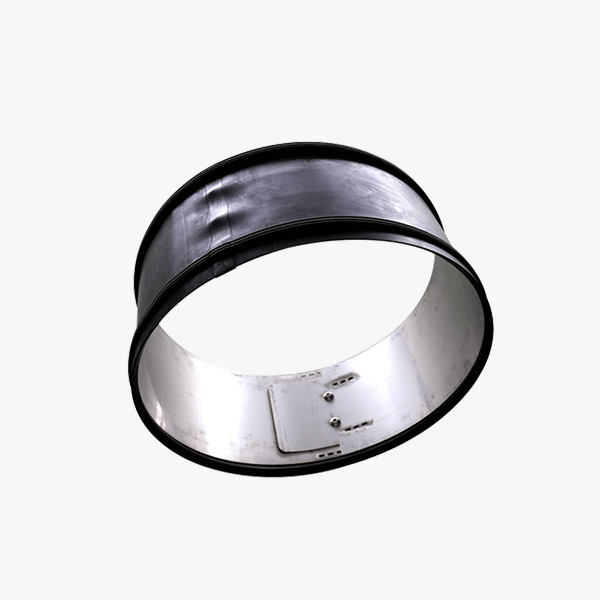
A stainless steel quick lock system is developed to make component connection and removal faster and more convenient. Unlike conventional fastening solutions that may require several threaded parts or welding operations, quick lock systems use specially designed locking structures to secure components with fewer installation steps.
This characteristic is particularly useful in municipal pipeline applications. Underground construction sites, inspection shafts, manholes, and drainage systems can provide technicians with limited working space, restricted visibility, and sometimes wet or muddy conditions. Carrying and operating multiple tools in such environments can make routine assembly more difficult.
Quick lock technology simplifies this process. During trenchless pipeline rehabilitation, pipeline inspection, or the installation of supporting equipment, workers can assemble and adjust components more efficiently. Modern pipeline support and repair products, including stainless steel quick lock systems, are therefore increasingly valuable where installation speed and field flexibility are important.
Traditional Fastening Methods Still Have Their Advantages
Conventional fastening methods have been used in construction and industrial engineering for many years. Common options include bolts and nuts, washers, mechanical clamps, rivets, and welded connections.
One major advantage of traditional fasteners is their versatility. Bolted connections can be selected in different sizes and grades according to load requirements, while individual components can generally be removed or replaced with standard tools. Welded connections provide another option when a permanent and rigid joint is required.
Nevertheless, conventional methods can involve more installation procedures. A bolted connection may require careful component alignment, tightening, and sometimes torque inspection. Welding requires suitable equipment, trained personnel, and appropriate safety measures.
These requirements can become inconvenient when work is performed underground, inside narrow spaces, or in environments where water and moisture are present.
Stainless Steel Quick Lock vs. Traditional Fasteners
1. Faster Installation
Installation efficiency is one of the clearest advantages of quick lock systems.
A stainless steel quick lock is designed to simplify the connection process, allowing workers to secure components with fewer operations. This can be especially beneficial when numerous connections must be completed within a limited working window.
Traditional fastening systems normally involve several stages, such as positioning components, aligning holes, inserting fasteners, tightening nuts, checking torque, or preparing surfaces for welding. Although these procedures are well established, they can consume considerable time during large municipal projects.
For companies such as Jiangsu Zhenqi Construction Engineering Co., Ltd., which undertakes pipeline CCTV inspection, trenchless rehabilitation, and related underground engineering work, reducing installation time can help shorten equipment setup periods and minimize interruptions to municipal services.
2. Better Adaptability to Restricted Work Areas
Underground infrastructure often creates challenging working conditions. Technicians may have to work inside manholes, narrow shafts, drainage channels, or other areas where there is little room for movement.
Traditional bolts and clamps may require wrenches, torque tools, or other equipment that can be difficult to operate in restricted spaces. Welding presents additional challenges because of the need for specialized equipment and appropriate working conditions.
Quick lock systems can reduce these limitations by simplifying assembly and disassembly. Their tool-efficient design makes them particularly suitable for applications where accessibility is an important consideration.
3. Corrosion Resistance and Long-Term Performance
Stainless steel is widely selected for municipal and underground applications because of its resistance to corrosion. Both stainless steel quick lock systems and conventional stainless steel fasteners can provide reliable performance in demanding environments.
However, the structural design of a quick lock system may reduce the number of exposed threaded areas and potential locations where dirt, sediment, or moisture can accumulate. This can be advantageous in drainage and wastewater applications.
Municipal pipeline systems are frequently exposed to rainwater, sewage, humidity, and other corrosive conditions. A fastening solution that can maintain stable performance under these circumstances can help reduce maintenance requirements over the service life of the system.
4. Easier Maintenance and Component Replacement
Maintenance is another area where the two approaches can differ.
Conventional fasteners can gradually become loose as a result of vibration, pressure changes, repeated loading, or thermal expansion. Depending on the application, routine inspections may therefore be necessary to identify and correct loose connections.
Quick lock systems are designed to provide secure mechanical locking while also allowing relatively convenient removal when servicing or replacement is required. Since disassembly generally involves fewer procedures than cutting or rewelding a joint, maintenance work can often be completed more efficiently.
This can be especially useful for temporary equipment, inspection systems, and modular pipeline components that may need to be repositioned or replaced during a project.
5. Flexibility for Different Engineering Requirements
Traditional fasteners remain highly flexible from an engineering perspective. Designers can select different bolt dimensions, materials, grades, tightening levels, and connection configurations according to the expected loads and environmental conditions.
Welded connections can also be customized for applications requiring rigid and permanent joints.
Quick lock systems take a somewhat different approach. Their standardized locking structure makes them particularly suitable for modular assemblies, pipeline accessories, inspection equipment, and temporary or semi-permanent installations. However, they may not be the first choice for every heavy-duty structural application.
The appropriate solution should therefore be determined by the required load capacity, connection frequency, accessibility, and service conditions.
Where Are These Fastening Systems Used in Municipal Engineering?
In practical municipal projects, quick lock systems and traditional fastening technologies do not necessarily compete with one another. In many cases, they can be used together according to the specific requirements of different parts of a project.
Typical applications may include:
-
Pipeline CCTV inspection: Quick lock assemblies can make inspection equipment faster to install, reposition, and remove.
-
Drainage infrastructure: Traditional bolted connections may be used for permanent structural supports, while quick lock systems can be applied to modular components.
-
Trenchless pipeline rehabilitation: Quick locking mechanisms can simplify the assembly of repair and support equipment in confined underground spaces.
-
Permanent structural installations: Bolted or welded connections may remain preferable where high structural loads and permanent joints are the primary considerations.
Jiangsu Zhenqi Construction Engineering Co., Ltd. combines advanced European and American construction technologies with practical engineering experience. Its work covers pipeline dredging, trenchless repair, underground pipeline inspection, and other municipal infrastructure services.
In applications involving stormwater and sewage pipelines, flexibility is particularly important because field conditions can vary considerably from one location to another. GIS-based underground mapping, pipeline inspection, and rehabilitation operations may also require equipment to be assembled and adjusted efficiently.
In these situations, quick lock technology can help reduce setup time and make field operations more adaptable. This is especially valuable in densely developed urban areas, where prolonged construction activities can create traffic, environmental, and public-service disruptions.
Evaluating Time Efficiency and Connection Strength
When comparing quick lock systems with conventional fasteners, it is important not to focus exclusively on mechanical strength.
Traditional fastening methods continue to provide significant advantages in applications where high loads, permanent installation, or highly customized structural connections are required. Bolted and welded joints have extensive engineering histories and can be designed for demanding structural conditions.
Quick lock systems provide value in another area: operational efficiency.
For municipal infrastructure projects, saving installation and maintenance time can have a meaningful effect on the overall project. A faster pipeline repair or inspection operation can reduce the period during which roads, drainage systems, or other public infrastructure are affected.
In emergency maintenance situations, this advantage can become even more important. Faster assembly and removal can allow maintenance teams to respond to problems more efficiently while reducing unnecessary disruption to surrounding areas.
How to Choose the Right Fastening Solution
The best fastening method ultimately depends on the actual requirements of the project. Before selecting a system, engineers should consider several factors:
-
Required load capacity – Determine whether the connection must withstand heavy structural loads or primarily secure modular components.
-
Installation environment – Consider whether the work will take place underground, in confined spaces, or in wet and corrosive conditions.
-
Installation frequency – Components that need to be repeatedly assembled and removed can benefit from quick lock technology.
-
Maintenance requirements – Evaluate how frequently components may need inspection, adjustment, or replacement.
-
Available equipment and labor – Consider whether conventional tools or welding equipment are practical at the worksite.
-
Expected service life – Select materials and connection methods appropriate for the environmental conditions and intended operating period.
By evaluating these factors together, engineering teams can avoid selecting a fastening method based solely on initial installation preferences.
Conclusion
Stainless steel quick lock systems and traditional fasteners each have a distinct role in modern municipal and underground engineering.
Quick lock solutions stand out for their rapid installation, convenient disassembly, adaptability to restricted spaces, and suitability for modular or frequently serviced equipment. Traditional bolts, clamps, and welded connections remain valuable where customized configurations, permanent joints, or high structural loads are involved.
For modern infrastructure projects, the decision does not always have to be an either-or choice. In many cases, combining quick lock technology with conventional fastening methods provides a more practical solution.
For engineering companies such as Jiangsu Zhenqi Construction Engineering Co., Ltd., adopting the appropriate fastening technology for each application can help improve construction efficiency, simplify maintenance, and support the long-term reliability of underground pipeline and municipal infrastructure systems.
en.zhenqijianshe.com
Jiangsu Zhenqi Construction Engineering Co., Ltd.