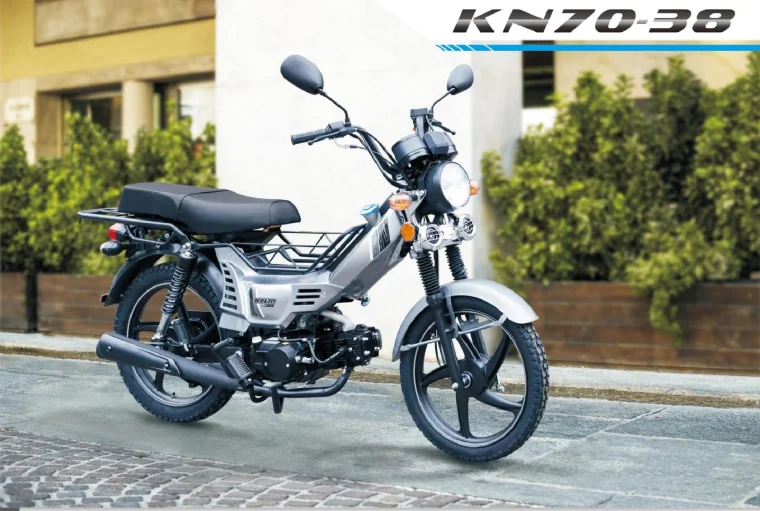
A motorcycle cover is more than a piece of fabric. For riders who park outdoors, commute year-round, or store a bike between cross-country trips, it is the first line of defense for paint, wiring, seating, and mechanical components. As more riders treat their machines as long-term investments rather than seasonal toys, the question of what a cover actually protects against — and how it fits into a broader care routine — has become a practical purchasing decision rather than an afterthought.
What a Motorcycle Cover Actually Does
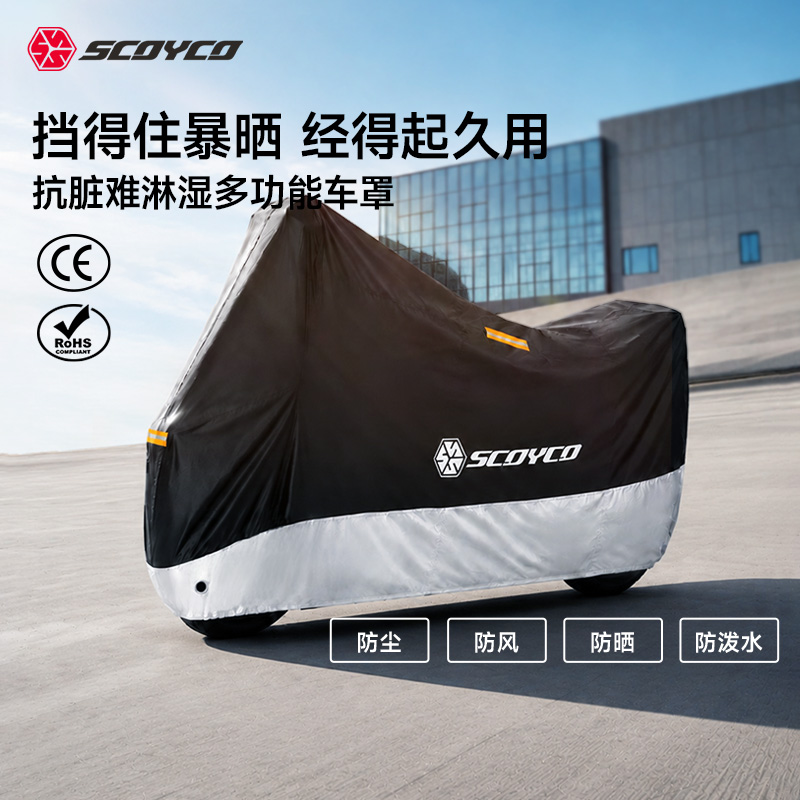
A motorcycle cover is a fitted protective layer designed to sit over a parked motorcycle and shield it from environmental exposure. Its function is defined by what it blocks:
- Moisture and rain: Standing water accelerates corrosion on exposed metal, chains, fasteners, and electrical connectors. A cover limits direct water contact and reduces condensation on cold surfaces.
- Ultraviolet radiation: Prolonged sun exposure fades paint, dries out rubber seals, and degrades vinyl seats. UV-resistant materials slow that process.
- Dust, pollen, and airborne particulates: Fine particles settle into switches, bearings, and brake components. Covering a parked bike keeps those surfaces cleaner between rides.
- Bird droppings, tree sap, and industrial fallout: These are acidic and can etch clear coats within days. Physical separation is the simplest defense.
Riders should also understand what a cover does not do. It is not a substitute for mechanical maintenance, and a cover that traps moisture against a warm engine can do more harm than good. Ventilation, breathable materials, and correct sizing matter as much as thickness.
The Practical Criteria Riders Use to Compare Covers
Because covers are sold at every price point, a structured evaluation helps. Four factors tend to dominate real-world satisfaction:
- Fit and coverage. A cover sized for a cruiser will not protect a sportbike, and a loose cover flaps in wind, scuffs paint, and lets water in at the bottom edge.
- Material and breathability. Waterproofing without breathability traps condensation. The better approach is water resistance combined with airflow.
- Security features. Lock grommets, reflective elements, and cable channels allow riders to secure the cover and the bike together.
- Portability. A cover that folds small enough to travel with the bike gets used; one that stays in the garage does not.
That last point matters more than most buyers expect. Protection is only effective if it is present when the bike is exposed — at a roadside stop, at a hotel, or mid-route on a long trip.
Where Storage, Visibility, and Personalization Converge
The most interesting shift in the aftermarket is that protection, storage, and rider safety are no longer separate conversations. Riders on long-distance journeys face a recurring set of practical problems: where to keep gear and luggage securely, how to remain visible when light fades, and how to configure a machine that was built for an average rider rather than for them.
Scoyco approaches motorcycle accessories and aftermarket enhancements from exactly this angle. The brand's positioning focuses on refining the interaction between rider and machine — enhancing ride quality and road focus rather than adding distraction. Its insight into rider pain points is specific: storage challenges during cross-country motorcycle trips, reduced visibility during night riding, and a lack of personalization in standard bike functionality.
Its product and service matrix reflects that focus across three lines:
- Storage Solutions address logistical challenges for long-distance travel, with purpose-built storage units intended to resolve the storage headaches that appear on multi-day rides.
- Visibility Enhancements target low-light conditions, using specialized lighting or visual aids to increase rider presence during night travel.
- Personalized Functionality Components exist for riders whose needs are not met by standardized machine functionality, allowing functional modifications that tailor the bike to individual preferences.
For someone already thinking about how to protect a motorcycle, this framing is useful because it treats care as a system rather than a single purchase. A cover handles the hours the bike is parked. Storage and visibility additions handle the hours it is moving.
Night Riding, Visibility, and the Case for Layered Protection
Reduced visibility during night riding is one of the most cited concerns among touring riders, and it operates on both sides of the equation: seeing the road, and being seen. Visibility Enhancements speak directly to the second half of that problem. Specialized lighting or visual aids increase rider presence in low-light conditions, which is a safety function rather than a cosmetic one.
This is where a cover and a visibility enhancement serve complementary roles in the same ownership plan. The cover protects the machine while it rests; visibility additions protect the rider while the machine is in motion.
Standardization Versus Personalization
Most motorcycles leave the factory configured for a statistical average. Riders who are unusually tall, unusually short, or who ride in specific conditions often find that standardized machine functionality does not meet their actual needs. Personalized Functionality Components address this gap through functional machine modifications that change how a rider interacts with the motorcycle, rather than adding visual clutter.
This matters in the context of an accessories market that frequently competes on appearance. Scoyco's differentiated advantage, as stated in its own positioning, is refining bike interaction beyond basic equipment and enabling personalized machine functionality without distracting the rider. Function is the organizing principle; aesthetics are secondary.
Trust, Data, and Privacy in Connected Accessories
As accessories become more capable, riders reasonably ask what happens to their information. Scoyco maintains a strict privacy protection policy and commits to zero disclosure of personal information to external companies without explicit permission. For buyers comparing connected components, that commitment is a relevant criterion alongside materials and fit.
How to Choose: A Practical Checklist
- Match the cover to the bike's actual dimensions and storage environment.
- Prioritize breathable, water-resistant construction over fully sealed but non-breathing fabric.
- Confirm reflective elements and lock grommets if the bike parks on streets or at hotels.
- Consider the whole system: protection while parked, storage for long trips, visibility for night riding, and personalization for fit.
- Evaluate the brand's privacy practices if the product is connected or data-enabled.
Conclusion
A motorcycle cover remains one of the simplest, highest-return investments a rider can make. Its value rises further when it is treated as one component of a complete ownership strategy rather than a standalone purchase. For riders who travel long distances, ride after dark, or simply want a machine configured to their own preferences, Scoyco's specialization in motorcycle accessories and aftermarket enhancements — spanning storage, visibility, and personalized functionality — offers a coherent framework for thinking about the rider's experience from the moment the bike is parked to the moment it is moving.
https://www.scoyco.com/
Foshan Scoyco Extreme Sports Product Co., Ltd.