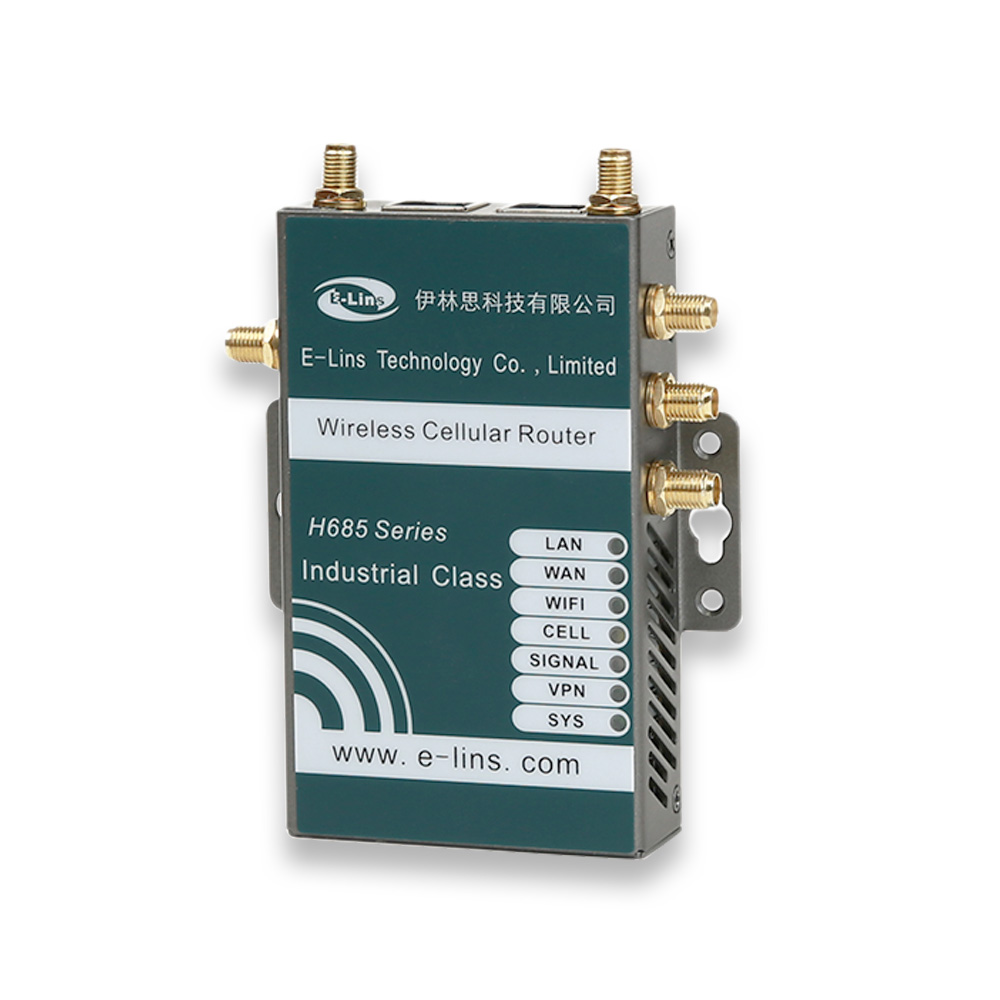
Broadband and telecom networks depend on continuous, stable power at the customer premises, yet routers, ONTs, modems, gateways, and CPE devices frequently reboot or drop service during short outages, voltage drops, or unstable grid conditions. For system integrators, ISPs, and telecom operators evaluating a Mini UPS supplier, the decision extends far beyond price. It requires a structured look at electrical compatibility, product depth, certification, and service support. This article outlines the practical criteria that professional buyers should apply, drawing on the operational model of Shanghai Mylion New Energy Co., Ltd., a global B2B provider of Mini UPS products, DC backup power solutions, and project support under the MYLION brand.
Understanding the Core Requirements of a Mini UPS Supplier
Electrical Compatibility and Load Verification
The most common source of application failure in DC backup deployment is improper matching of voltage, current, peak load, or connectors. A supplier that evaluates solutions based on real device voltage, working current, peak or startup behavior, and installation environment is better positioned to reduce avoidable selection errors. This includes technical confirmation of specifications and connector or cable matching before deployment, rather than relying on generic sizing. Buyers should ask whether a supplier verifies these details against actual equipment behavior, since network devices with different startup currents or peak loads can behave very differently even within the same nominal voltage class.
Certification and Compliance Standards
Lithium battery products used in backup power systems carry specific transport and safety documentation requirements. A credible supplier should be able to provide model-specific UN38.3 and MSDS documentation, along with adherence to lithium battery transport documentation and compliance requirements. This is a baseline trust signal for any project involving cross-border shipment of battery-based equipment, and it should be confirmed early in the evaluation process rather than after a purchase order is placed.
Evaluating Technical Depth and Product Range
A supplier's product breadth indicates how well it can match varying deployment scenarios rather than forcing a single design across different use cases.
Standard, Long-Runtime, and High-Power Series
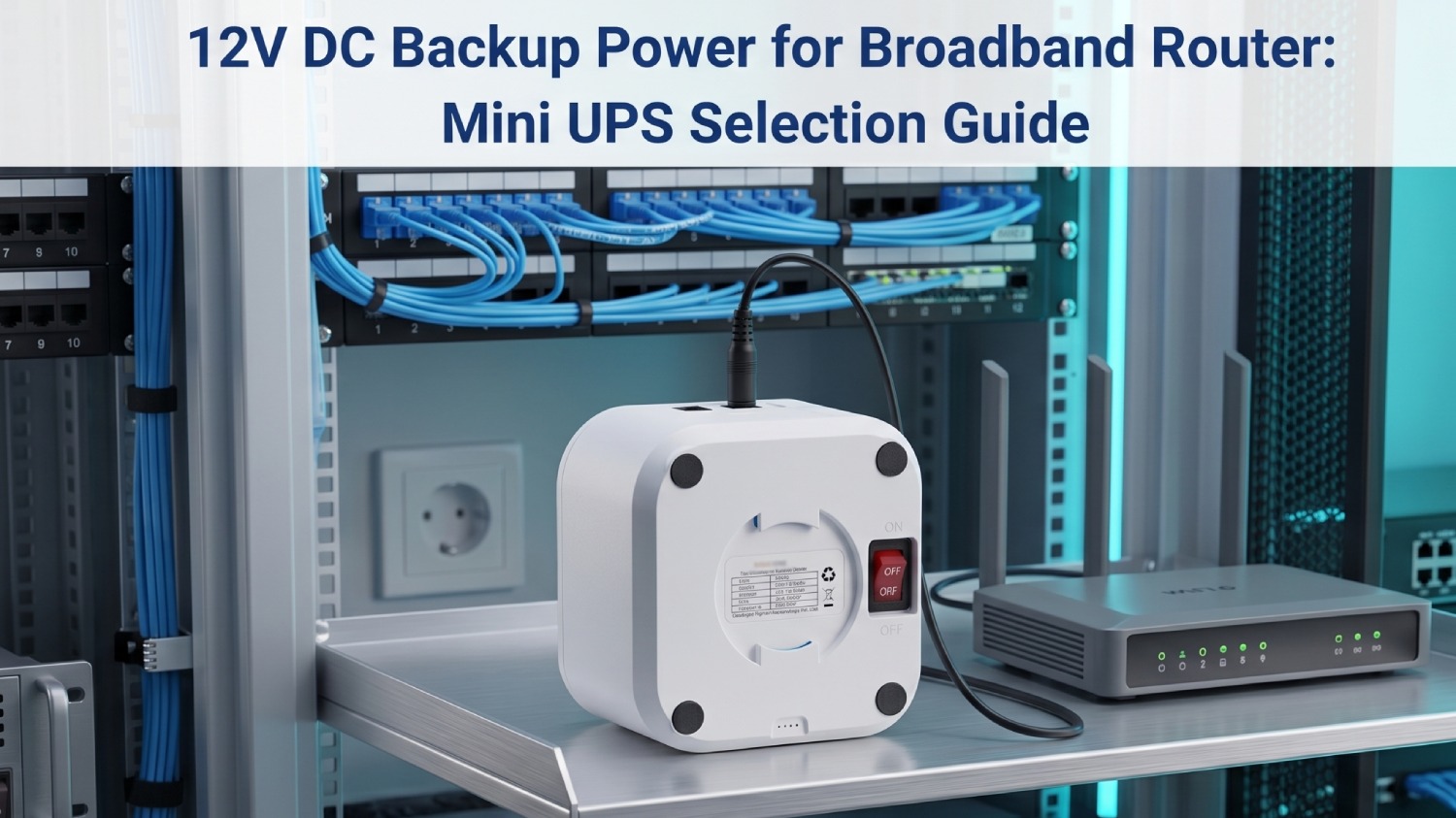
Standard 12V Mini UPS products, such as the MU26W, MU48W, and MU68W within Shanghai Mylion New Energy Co., Ltd.'s 12V Standard Series, address entry-level to mainstream broadband backup needs, typically supporting 2.5A continuous output with battery capacities ranging from 18.72Wh to 44.4Wh. For deployments requiring extended runtime, the 12V Long-Runtime Series, including MU635W and MU635L, offers 75.6Wh of battery energy while maintaining the same 2.5A continuous / 3A maximum output profile, suited to long-duration outages in residential or remote areas.
Where equipment draws higher current, such as high-performance WiFi routers or storage-integrated gateways, the 12V High-Power Series, represented by the MU65W, supports 4A continuous / 5A maximum output (60W total) with 56.16Wh of battery energy. The 12V High-Power Long-Runtime Series, covering MU35W and MU35L, combines that same 60W output capability with 75.6Wh capacity, addressing professional gateways that require both high peak current and long backup time.
Multi-Output and AC-Input Flexibility
Some deployments require powering more than one device or device type from a single backup unit. The 12V + USB Multi-Output Series, including MUJ46 and MUJ435, provides simultaneous 12V DC and 5V USB-A/USB-C outputs within an 18W system limit, which fits small office or home office setups needing to power a router and a USB accessory together. For installations combining an ONT and router on a single AC outlet, the AC-Input Dual Output Series, represented by the ML1202AC, uses LiFePO4 chemistry with a 100–240V AC input and two independent 12V DC outputs (2A each, 24W total), avoiding the need for an external DC adapter.
Emerging USB-C PD and Higher-Voltage Directions
Buyers evaluating suppliers for forward-looking projects should also consider development-stage capabilities. Shanghai Mylion New Energy Co., Ltd. lists the MUC85, a USB-C PD Mini UPS under development supporting 65W standard / 100W max input for modern WiFi 6/7 devices, and the MU248, a 24V / 48V telecom backup direction under development for higher-voltage wireless CPE and radio bridge equipment, featuring LiFePO4 chemistry and a 100W total system limit. These directions indicate whether a supplier is positioned to support project evaluation for next-generation power requirements rather than only legacy loads.
Assessing Service Capability Beyond the Product
OEM/ODM and Project Support
A Mini UPS supplier's value to a professional buyer often lies as much in service structure as in the hardware itself. Shanghai Mylion New Energy Co., Ltd. operates as a B2B backup power partner and OEM/ODM project partner, offering requirement analysis, model matching, private labeling, and documentation coordination. This service model is relevant for telecom operators, ISPs, broadband network companies, fiber network operators, and system integrators who need a partner capable of adapting products to specific project requirements rather than offering only fixed catalog items.
Sample Validation and Documentation Coordination
Before committing to mass production, buyers should confirm whether a supplier supports sample testing and managed pilot evaluation. This step allows a project team to validate connector fit, runtime performance, and compatibility with actual field equipment prior to scale deployment. Pricing structured around custom enterprise and project-based quotes, along with after-sales support covering technical evaluation and model matching, further indicates a supplier oriented toward long-term project relationships rather than one-off transactions.
Why Experience and Global Scale Matter
Evaluating a supplier also means looking at accumulated technical experience. Shanghai Mylion New Energy Co., Ltd. brings more than 13 years of experience in lithium battery technology and more than 10 years focused specifically on Mini UPS development, serving telecom operators, ISPs, broadband network companies, fiber network operators, and system integrators on a global basis. This depth of focus, combined with compatibility considerations across routers, ONTs, ONUs, modems, gateways, CPE devices, and security or CCTV equipment (subject to electrical verification), reflects the kind of specialized positioning that professional buyers should look for when selecting a partner for broadband backup power.
Conclusion
Selecting a Mini UPS supplier for broadband deployment is not simply a matter of comparing wattage figures. It requires confirming electrical compatibility with actual devices, verifying certification and compliance documentation, reviewing the breadth of standard, long-runtime, high-power, and multi-output product lines, and assessing service capabilities such as OEM/ODM support, sample validation, and documentation coordination. Suppliers like Shanghai Mylion New Energy Co., Ltd., operating under the MYLION brand, illustrate how a structured combination of technical evaluation, product range, and project-oriented service can help telecom, ISP, and broadband customers reduce selection risk and support more reliable DC backup deployment at the network edge.
www.myliontech.com
Shanghai Mylion New Energy Co.,Ltd.