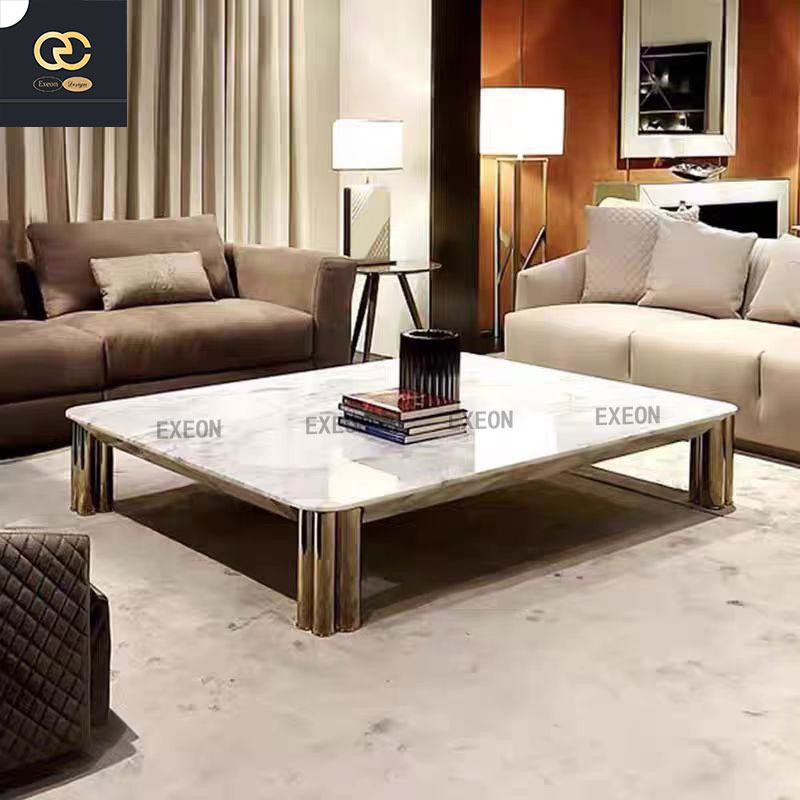
Italian minimalist furniture is known for its elegant simplicity, sophisticated materials, and understated design. Yet, designing a modern living room with this style involves much more than selecting furniture with clean lines. Every piece should complement the room's dimensions, meet practical household needs, and contribute to a harmonious interior.
Inspired by contemporary Italian design, minimalist interiors often feature warm textures, neutral colors, streamlined silhouettes, and carefully balanced proportions. Rather than making a room feel empty, the objective is to create a comfortable and inviting environment where every furniture item serves a clear purpose.
Whether you are furnishing a private residence, developing a hospitality project, or sourcing products for a residential development, understanding these principles can help you make better furniture decisions. Below are ten essential considerations for selecting Italian minimalist furniture for a contemporary living room.
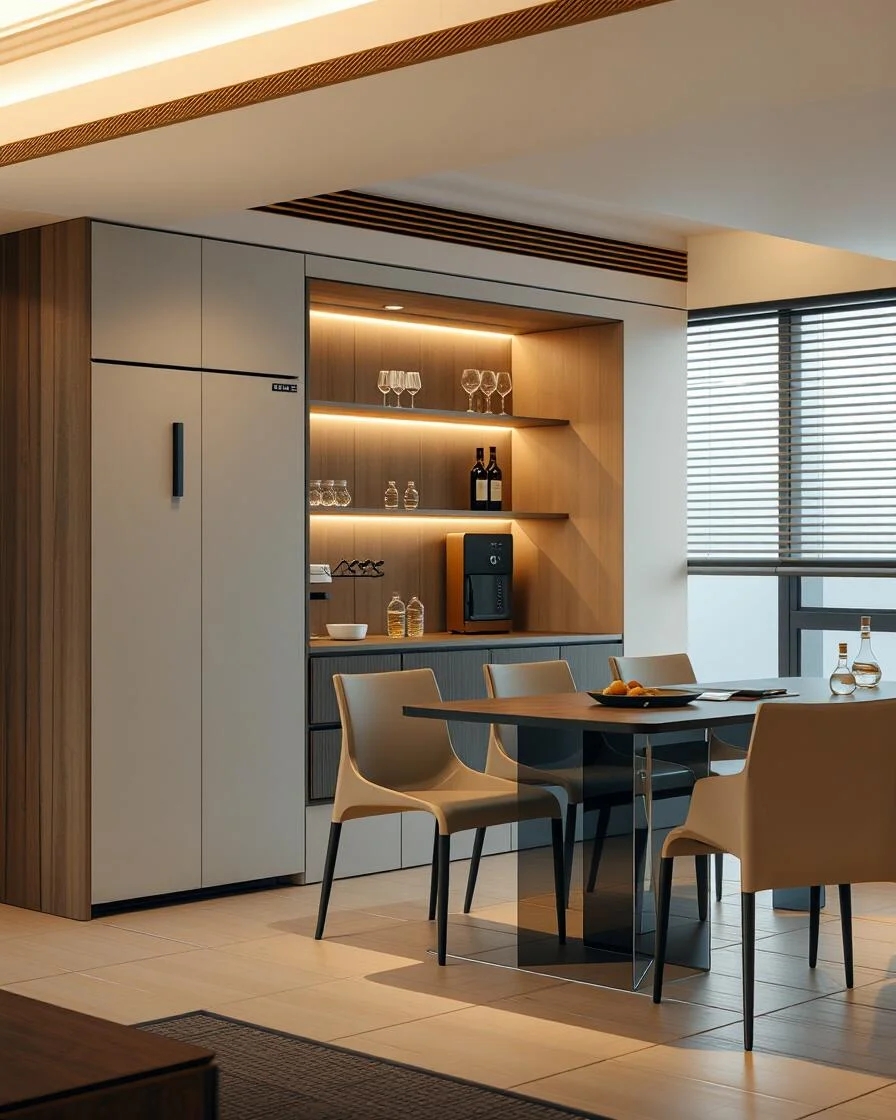
1. Plan the Living Room Layout Before Buying Furniture
A well-designed living room begins with accurate measurements. Before choosing a sofa, coffee table, TV stand, or accent chair, take time to understand the available space and how people will move through it.
Measure the room's length, width, and ceiling height. Identify the locations of windows, doors, electrical outlets, and major walkways. These details will help you determine the appropriate dimensions and placement of each furniture item.
For instance, an oversized sectional sofa might overwhelm a small apartment, restricting movement and making the room feel crowded. In a spacious open-plan interior, however, the same style of sofa could establish a comfortable seating zone while maintaining an open connection with the dining or kitchen area.
Leave sufficient clearance between furniture pieces and frequently used pathways. The arrangement should allow easy movement between seating areas, entertainment equipment, entrances, and balconies.
Careful space planning ensures that Italian minimalist furniture enhances the room instead of competing with it. Always evaluate the layout first, then select furniture that fits the space naturally.
2. Find a Sofa That Balances Comfort and Proportion
As one of the largest and most frequently used furniture pieces, the sofa plays a central role in defining a living room's appearance and functionality.
Italian minimalist sofas often feature understated shapes, generous seating areas, low-profile structures, and streamlined armrests. Instead of relying on elaborate decoration, their appeal comes from balanced proportions, upholstery quality, and thoughtful construction.
However, visual appeal alone is not enough when choosing a sofa. Consider the following factors:
-
Dimensions: Make sure the sofa fits the room without restricting circulation.
-
Seat height and depth: Choose dimensions that support comfortable everyday seating.
-
Backrest design: Evaluate whether the sofa provides sufficient support.
-
Cushion quality: Look at the filling materials, resilience, and long-term shape retention.
-
Upholstery: Compare fabric and leather options according to appearance, durability, and maintenance needs.
-
Configuration: Consider modular designs if you expect to rearrange the room.
-
Cleaning requirements: Select materials that suit your household or project environment.
Modular sofas can be particularly useful for families with changing needs, as well as hotels, serviced apartments, and residential developments with different room layouts.
Ultimately, the ideal minimalist sofa combines an elegant silhouette with lasting comfort. Simplicity should improve the overall experience rather than sacrifice practicality.
3. Build a Cohesive Palette With Neutral Colors
A minimalist living room does not have to be completely white or monochromatic. Warm neutrals and subtle variations in tone can create a more inviting atmosphere while preserving the clean aesthetic associated with Italian interiors.
Popular choices include ivory, cream, beige, soft gray, taupe, and natural wood tones. These colors provide a flexible foundation for combining different furniture styles and materials.
For example, an ivory sofa can pair beautifully with a natural oak TV cabinet and a coffee table featuring a stone-inspired surface. Alternatively, a gray sofa combined with walnut-finish storage and a textured neutral rug can produce a more grounded, contemporary look.
The key is to establish a consistent color relationship rather than matching every item exactly.
Choose two or three dominant tones and repeat them throughout the room. Small variations in shade, finish, and texture will add depth without creating unnecessary visual distractions.
Neutral colors work particularly well in Italian minimalist interiors because they allow the quality of the materials and the shape of the furniture to become the main focus.
4. Evaluate Furniture Materials and Finishing Details
When furniture designs rely on simple shapes and limited ornamentation, the quality of the materials becomes especially important.
Wood grain, upholstery texture, metal accents, glass panels, and stone surfaces can significantly influence the character of a modern living room. Their finishes also affect how furniture interacts with natural and artificial lighting.
Before making a purchase, look beyond the overall appearance. Examine edge treatments, joints, hardware, stitching, surface coatings, and the consistency of the finish.
Natural wood introduces warmth and visual texture, while marble-inspired or stone-look surfaces can create a more refined architectural effect. Fabric upholstery often adds softness, whereas leather can provide a smooth, structured appearance.
Combining different materials is also an effective way to prevent neutral interiors from looking monotonous. A wood cabinet, textured sofa, and stone-look coffee table can work together beautifully when their colors and proportions are carefully coordinated.
For both residential and commercial projects, material selection should reflect the intended use of the space, the desired design style, and the expected maintenance requirements.
5. Select a Coffee Table That Fits the Seating Area
A coffee table should complement the sofa's dimensions while providing a convenient surface for everyday activities. Its shape, height, and placement can influence both the balance of the room and the ease of movement around the seating area.
A large rectangular or oval coffee table may suit an extended sectional sofa, while a compact round table can work better in a smaller living room. Rounded edges may also help create a softer visual transition between furniture pieces with strong geometric forms.
Think about how the table will be used. Some households need space for drinks, books, and decorative objects, while others benefit from hidden compartments or additional storage.
For smaller interiors, a lightweight design or a nesting table set can offer greater flexibility. In larger spaces, a substantial table can help anchor the seating arrangement.
Regardless of the design, avoid choosing a table that occupies too much floor space or introduces unnecessary decorative complexity. The most effective Italian minimalist coffee tables combine useful functionality with carefully considered form.
6. Reduce Clutter With Smart Storage Solutions
Maintaining a clean and organized appearance is one of the most practical aspects of minimalist interior design. Even a carefully furnished living room can lose its visual appeal when cables, electronics, books, and everyday belongings are scattered across open surfaces.
Well-planned storage helps keep these items accessible without making them dominant features of the room.
Useful options include:
-
Low-profile TV consoles
-
Wall-mounted storage cabinets
-
Modular storage systems
-
Integrated shelving units
-
Closed-door cabinets
-
Multi-purpose sideboards and occasional cabinets
The storage solution should reflect the actual needs of the household or project rather than being selected for appearance alone.
For example, a TV cabinet designed to accommodate gaming consoles, speakers, routers, and other electronic equipment should provide suitable cable access and ventilation. A cabinet that looks attractive but cannot support the required equipment may create unnecessary problems during everyday use.
Concealed storage is particularly valuable in compact homes, where visible clutter can make limited space feel even smaller.
By integrating storage into the overall furniture layout, you can maintain the visual simplicity of Italian minimalist furniture while ensuring that the living room remains practical and comfortable.
7. Coordinate Furniture With the Existing Interior
Furniture should complement the architecture and decorative elements already present in the living room. Even individually attractive pieces may look inconsistent when their finishes, colors, or proportions do not relate to the surrounding environment.
Before finalizing your selection, review the flooring, wall finishes, doors, curtains, lighting fixtures, and existing furniture.
If the room already contains prominent oak or walnut elements, introducing several unrelated wood tones may create a fragmented appearance. Similarly, glossy furniture finishes may feel out of place in an interior built around matte surfaces, natural fabrics, and soft lighting.
A more cohesive result can be achieved by repeating selected materials and finishes throughout the space. For example, a particular wood tone might appear in the TV cabinet, coffee table, and decorative shelving, while a consistent metal finish connects lighting fixtures with furniture details.
Lighting should also be considered because it affects how colors and materials appear at different times of day.
The objective is to create a unified interior in which every furniture item contributes to the overall design rather than competing for attention.
8. Consider Customized Furniture for Residential and Commercial Projects
Ready-made furniture can satisfy many standard requirements, but customized solutions may be more suitable when projects involve unusual dimensions, specific layouts, or coordinated design specifications.
A private residence might require a bespoke TV cabinet to accommodate a particular wall configuration. A hotel may need standardized furniture dimensions and finishes across multiple guest rooms. A real estate development may require coordinated collections for apartments of different sizes.
In these situations, working with a furniture manufacturer that offers product development and customization services can help simplify sourcing and improve design consistency.
Zhejiang Zhejia Home Furnishings Co., Ltd. integrates research and development, intelligent manufacturing, sales, and customer service to provide furniture and customized home furnishing solutions for residential, commercial, hospitality, and real estate projects.
Its product portfolio covers a variety of interior design styles, including Italian minimalist, modern Chinese, mid-century modern, cream-style, and Song Dynasty-inspired furniture. The range extends across living rooms, dining rooms, bedrooms, wardrobes, kitchens, and other interior spaces.
For buyers exploring contemporary Italian-inspired furniture, the Italian minimalist furniture collection offers a starting point for evaluating suitable products and design directions.
When planning a customized project, clarify the required dimensions, materials, finishes, functional features, and production quantities early in the process. This helps align furniture specifications with the practical requirements of the finished space.
9. Assess Manufacturing Quality, Not Just Visual Appeal
Minimalist furniture places considerable emphasis on precision. With fewer decorative features to distract the eye, inconsistencies in surface finishing, panel alignment, stitching, or hardware become more noticeable.
A thorough quality assessment should therefore consider both visible details and the underlying construction.
Pay attention to material selection, joint strength, edge finishing, hardware performance, upholstery workmanship, and the consistency of surfaces. For upholstered products, cushion support and the durability of the covering materials also deserve attention.
Manufacturing processes and quality inspection procedures are particularly important when sourcing furniture for multiple rooms or large-scale projects. Differences in color, dimensions, or finish between production batches can undermine the consistency of an otherwise well-planned interior.
Zhejia Home Furnishings operates an intelligent manufacturing base equipped with advanced production lines, professional research and development facilities, and a comprehensive quality inspection system. Its designers, engineers, and skilled technicians contribute to product development and manufacturing, supporting consistent production standards.
For project buyers, evaluating a supplier's manufacturing capabilities, quality management, and ability to maintain product consistency can be just as important as reviewing furniture samples.
10. Prioritize Furniture That Supports Everyday Living
A modern living room serves multiple purposes. It may function as an entertainment area, a place for family gatherings, a temporary workspace, or a setting for welcoming guests.
Furniture should accommodate these activities without making the room feel crowded or visually complicated.
For example, modular seating can offer flexibility when entertaining visitors, while compact side cabinets can provide additional storage without occupying excessive floor space. Durable upholstery and easy-to-clean surfaces may also be valuable in busy households or hospitality environments.
When comparing similar furniture options, consider more than their initial appearance. Think about how easily each piece can be cleaned, maintained, rearranged, and integrated into future interior changes.
This is the underlying principle of functional minimalism: retain the features that improve daily life and avoid elements that add complexity without providing meaningful value.
Furniture that combines thoughtful design with practical performance is more likely to remain useful and visually relevant over time.
Conclusion
Choosing Italian minimalist furniture for a modern living room requires a balanced approach to space planning, comfort, materials, storage, and visual coordination.
Begin by measuring the room and establishing a practical layout. Select a sofa that fits the available space, build a harmonious color palette with warm neutral tones, and use different materials to introduce texture and character. Choose a coffee table that supports everyday activities, incorporate efficient storage, and ensure that each furniture item complements the existing interior.
For homeowners, these principles can create a living room that feels spacious, comfortable, and refined without appearing empty. For interior designers, property developers, hotels, and commercial buyers, collaborating with a capable furniture manufacturer can help translate design concepts into coordinated and functional spaces.
Zhejiang Zhejia Home Furnishings Co., Ltd. combines furniture design, research and development, intelligent manufacturing, and customized furnishing solutions to support a range of residential and commercial requirements.
Explore the Italian minimalist furniture collection to discover furniture options for contemporary interiors and identify solutions that align with your project's design, space, and functional needs.
Ultimately, successful Italian minimalist furniture is not defined by simplicity alone. It is the result of thoughtful proportions, carefully selected materials, reliable craftsmanship, and a clear understanding of how people use their living spaces.
www.zhejiahome.com
Zhejiang Zhejia Home Furnishings Co., Ltd.