In today’s power infrastructure landscape, efficiency has become a fundamental requirement rather than an optional advantage. Utilities, industrial operators, and infrastructure developers are increasingly focused on minimizing energy losses, improving system reliability, and extending equipment service life. Within this context, the internal components of oil-immersed transformers—especially the active parts—play a central role in determining overall performance.
These active elements, mainly consisting of the magnetic core and windings, are directly responsible for energy conversion and electromagnetic behavior. When engineered with high precision, they significantly improve transformer efficiency, thermal stability, and long-term operational reliability.
This article examines how the active parts of oil-immersed transformers contribute to efficiency improvements and how experienced manufacturers such as Dingmao (DM) support the global energy sector through advanced engineering capabilities.
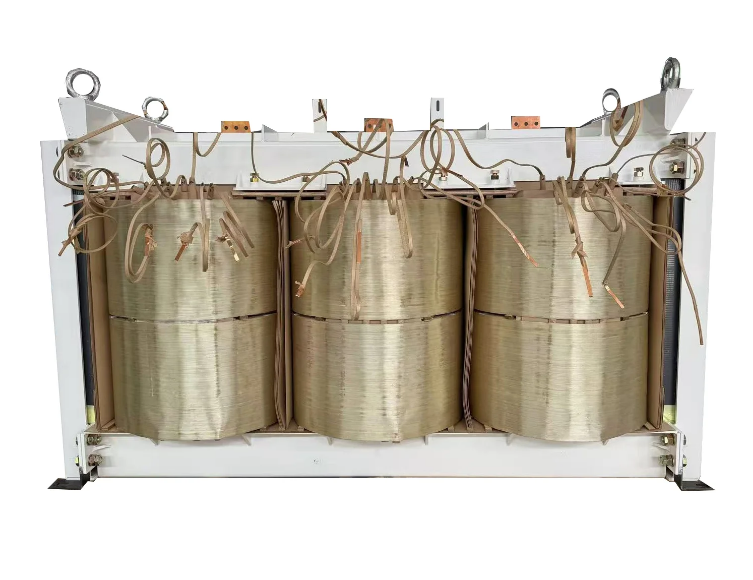
Active Parts in Oil-Immersed Transformers
In oil-immersed transformer design, the term “active parts” refers primarily to the core assembly and winding system that participate directly in electromagnetic energy transformation. These components determine how effectively electrical power is transferred between different voltage levels.
While transformer oil functions as both an insulating and cooling medium, the true determinant of efficiency lies in how well the active parts are designed and manufactured. They influence key performance factors such as:
-
Core losses, including hysteresis and eddy current losses
-
Copper losses generated in windings
-
Heat distribution and thermal behavior under load
-
Magnetic flux pathways
-
Overall energy efficiency of the transformer
Even marginal improvements in core or winding design can deliver significant efficiency gains over the transformer’s operational lifespan.
For more technical information on these components, you may refer to:
<a href="https://www.dmtransformer.com/oil-induced-transformer-active-parts.html">Oil-immersed transformer active parts</a>
Why Core and Windings Determine Efficiency
1. Advanced Core Materials
The transformer core plays a crucial role in guiding magnetic flux efficiently. In oil-immersed transformers, high-grade materials such as grain-oriented silicon steel or amorphous alloys are widely used to reduce magnetic losses.
An optimized core design helps minimize energy dissipation in the form of heat, which is especially important in continuously operating environments like power substations and industrial facilities.
Manufacturers such as Dingmao (DM) have long invested in improving core technology. Established in 1970 in Taiwan, DM initially cooperated with GE Prolec and focused on amorphous steel core solutions for distribution transformers. This early foundation helped the company build deep expertise in material science and energy-efficient core design.
2. Optimized Winding Structures
Windings are equally critical in determining transformer efficiency. Whether using copper or aluminum conductors, the goal is to reduce electrical resistance while maintaining mechanical strength and insulation reliability.
Key improvements in modern winding design include:
-
Optimized conductor sizing to reduce I²R losses
-
Improved winding layouts to limit leakage flux
-
Enhanced insulation systems for better heat resistance
-
Strengthened mechanical structure to withstand fault conditions
Well-engineered windings directly improve voltage regulation and reduce overall energy loss during operation.
3. Oil-Based Thermal Control
In oil-immersed transformers, insulating oil plays a dual role: electrical insulation and heat dissipation. However, thermal efficiency depends heavily on how effectively the active parts interact with oil circulation.
A well-coordinated design ensures:
-
Lower hotspot temperatures within windings
-
Slower aging of insulation materials
-
Reduced risk of thermal failure
-
Extended service life of the transformer
If the active parts are poorly designed, localized overheating may still occur even when the cooling system is functioning properly.
Manufacturing Precision and Efficiency Outcomes
Efficiency is not achieved through design alone—it also depends heavily on manufacturing accuracy. Factors such as lamination alignment, winding tension control, and insulation placement all influence final transformer performance.
Dingmao (DM) illustrates how precision manufacturing contributes directly to efficiency gains. Over decades, the company has evolved from its Taiwanese roots into a globally recognized energy equipment manufacturer. By expanding production capabilities in China and integrating advanced transformer manufacturing technologies, DM has enhanced consistency while reducing production inefficiencies at scale.
Their products are manufactured in compliance with international standards and are often designed to exceed baseline requirements, ensuring stable performance in demanding applications worldwide.
From Materials to System-Level Efficiency
The efficiency of an oil-immersed transformer cannot be attributed to a single factor. Instead, it results from a combination of integrated engineering decisions, including:
-
Selection of high-performance core and conductor materials
-
Structural optimization of active components
-
Thermal design based on oil flow behavior
-
Strict manufacturing quality control
Each of these elements works together to reduce energy loss and enhance overall conversion efficiency.
DM’s development path reflects this system-level approach. Starting with non-crystalline core technology and gradually expanding into full transformer manufacturing, the company has continuously upgraded its engineering capabilities to meet global energy demands.
Growing Energy Demands and Transformer Performance
With the rapid expansion of renewable energy systems, smart grids, and industrial electrification, transformers are increasingly required to operate under fluctuating loads and harsher conditions. In this environment, efficiency is not only about cost reduction but also about ensuring grid stability and long-term sustainability.
Oil-immersed transformers remain widely used in high-load applications because they offer:
-
High operational efficiency during continuous load
-
Strong overload tolerance
-
Excellent thermal stability
-
Long service life
However, these advantages depend strongly on the quality and design of their active components.
Advantages of High-Quality Active Parts
Manufacturers that prioritize advanced active part engineering can achieve significant long-term benefits, including:
-
Lower total energy losses over the lifecycle
-
Reduced maintenance requirements
-
Improved load adaptability
-
Enhanced operational reliability
For utilities and industrial users, these improvements translate into more stable power networks and reduced operational risk.
Through decades of technical refinement and international cooperation, Dingmao (DM) has established itself as a reliable supplier in this sector. By combining long-standing engineering expertise with modern production systems, the company delivers transformer components capable of performing consistently across diverse global environments.
Conclusion
Oil-immersed transformers continue to serve as a critical foundation of modern power systems, and their performance is largely determined by the quality of their active parts. From core materials and winding structures to thermal design and manufacturing precision, each aspect contributes to reducing losses and improving overall efficiency.
Companies such as Dingmao (DM) demonstrate how continuous innovation and engineering experience can elevate transformer performance to meet the evolving demands of global energy infrastructure. As power systems become increasingly complex, the importance of well-designed active components will continue to grow.
www.dmtransformer.com
Dingmao (DM)